Waste Management Hacks: Practical Methods to Lower Your Environmental Impact


The management of waste is a urgent issue that impacts every aspect of our existence, from our homes to our companies and the environment. As our population grows and consumption rises, so does the amount of garbage we create. Without adequate waste management practices, this accumulating waste can lead to serious environmental issues, including dirtying and climate change. Comprehending the significance of waste management and embracing basic strategies can have a profound effect on our footprint and the health of our Earth.
In this piece, we will investigate multiple waste management tips that can support you, whether you are an private citizen looking to reduce waste at home or a corporation aiming to create a green waste management strategy. From recyclable materials you might not be aware of to the benefits of making compost, we will cover all you need you need to know to make wise decisions. By putting into practice these easy steps, you can not only cut expenses but also contribute to a more vibrant environment for future generations. Join us as we dive into the comprehensive guide to contemporary waste management solutions, emphasizing simple methods to refine your approaches and create a more sustainable world.
Understanding Waste Management
Waste control is a critical component of our daily lives and has significant implications for the environment, financial system, and public health. https://financialmanagementcornwall.co.uk/best-wealth-management-cornwall/ entails the procedures of collecting, transporting, handling, reusing, and disposing of waste materials. Effective waste management systems ensure that waste is handled in a responsible manner and in a sustainable way, helping to minimize harmful effects on the ecosystem and human health. As urban populations grow and manufacturing activities increase, the difficulties associated with waste management become more pronounced.
One of the main goals of waste management is to reduce the volume of waste produced in the initially. This involves adopting practices such as recycling, composting, and waste sorting. These methods not only help to redirect waste from dump sites but also encourage the reutilization of resources and resources, aligning with the concepts of a closed-loop economy. Grasping the life cycle of garbage—from its production to its final discarding—can enable individuals and businesses to make informed choices about their waste practices.
Additionally, with the advancement of technology, waste control strategies are evolving quickly. Modern developments such as smart refuse collection systems, waste tracking apps, and automated reclamation techniques are changing how communities manage refuse. By leveraging these technologies, institutions can streamline their waste management practices, cut costs, and improve compliance with environmental regulations. Understanding these changes is essential for anyone seeking to adopt effective waste management strategies.
Efficient Strategies for Garbage Reduction
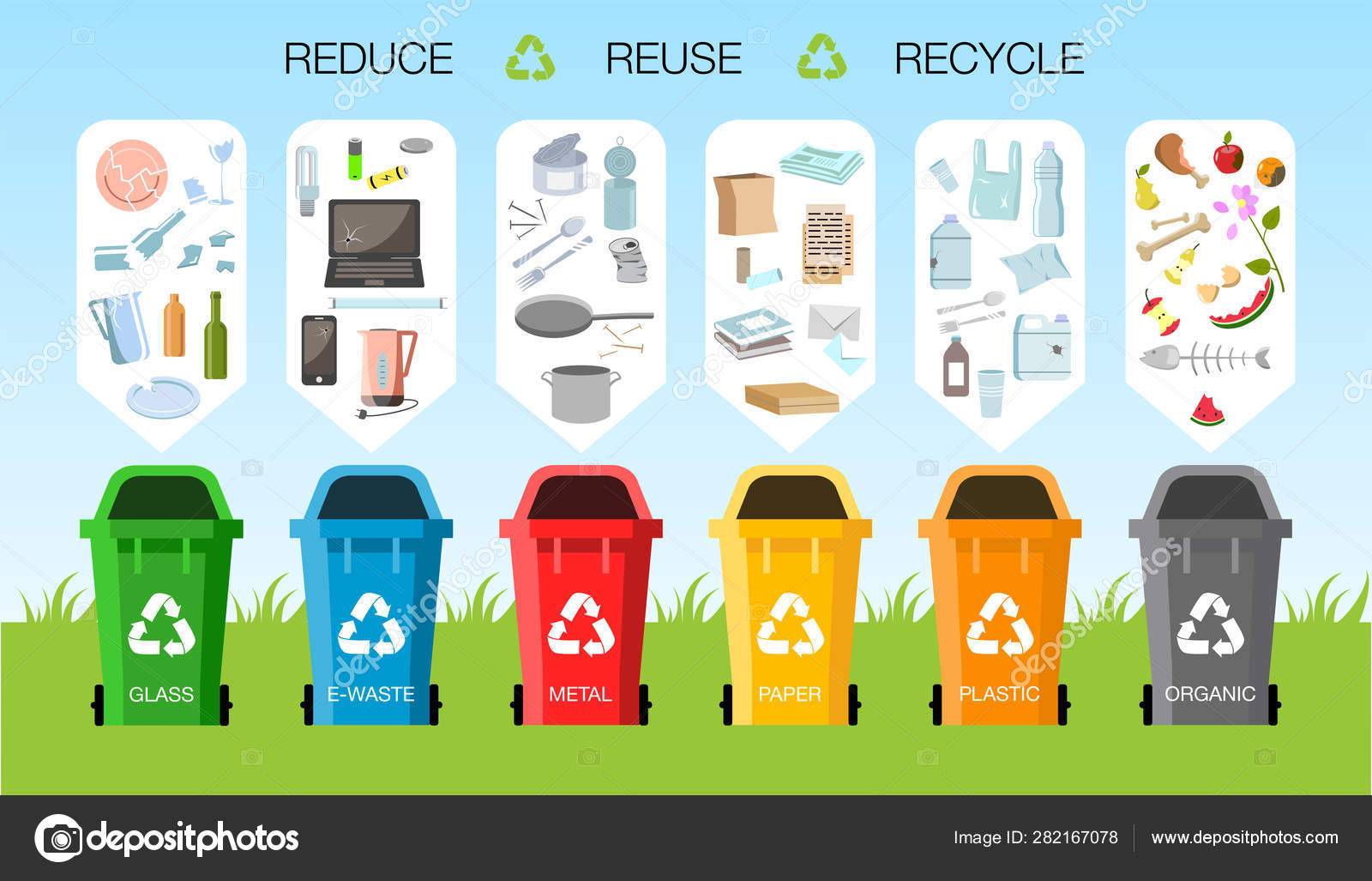
Reducing waste starts with recognition and simple changes in routine habits. One of the most effective strategies is embracing the method of waste segregation at home. By separating recyclable materials, compostables, and general waste, you not only simplify the recycling process but also gain insights into how much waste you generate. This awareness can motivate further changes, encouraging mindful consumption and decreasing unnecessary purchases. Start by placing well-marked bins in accessible locations around your home to facilitate this practice for everyone.
An additional essential practice is to adopt composting, which not only reduces the amount of organic waste sent to landfills but also creates nutrient-rich soil for planting. Composting can substantially cut down on food waste, which is a major contributor to greenhouse gas emissions when decomposing in landfills. Just small-scale composting in your kitchen, using containers for vegetable scraps and peels, can have a positive impact. Composting can be an engaging project for families and can nurture a connection to the environment.
Furthermore, businesses can execute a waste reduction plan to additionally streamline their operations and contribute to environmental goals efforts. This plan should encompass frequent waste audits to assess what materials are being thrown away and identify opportunities for reduction. By moving towards sustainable packaging and prioritizing recycling and reusing materials, companies can noticeably reduce their waste footprint. Engaging employees in this process through training and dialogue can boost the effectiveness of the waste management strategy, making everyone a part of the solution.
The Outlook of Eco-friendly Refuse Solutions
The prospect of sustainable waste solutions is set for evolution as companies and localities increasingly acknowledge the necessity of responsible waste management. Breakthroughs in waste sorting and recycling practices will play a crucial function in improving efficiency and effectiveness. Automated machines that employ artificial intelligence and robotics can help facilitate sorting processes, ensuring that recyclable materials are captured accurately. This enhanced efficiency not only reduces contamination rates but also increases the recovery of valuable materials, steering us toward a better circular economy.
Another promising advancement is the focus on sustainable packaging alternatives. As consumer awareness grows regarding plastic pollution and environmental impact, firms are driven to adopt biodegradable and reusable packaging. This transition is expected to significantly reduce the amount of waste generated at its source. Additionally, businesses that adopt sustainable packaging options can improve their brand image and fulfill the demands of eco-conscious consumers, further driving the movement of responsible waste practices.
Community involvement and education will be crucial in the evolution of waste management. As cities adopt smart waste management systems and strategies, the necessity of involving local inhabitants cannot be emphasized. Initiatives that encourage waste segregation at the beginning, alongside public education programs, will empower citizens to proactively participate in reducing waste. By building a culture of sustainability, communities can build resilience against the challenges posed by waste and environmental degradation, ensuring a better planet for coming generations.