Utilizing Artificial Intelligence Agents: Enhancing Output and Efficiency


In the present dynamic business landscape, the adoption of tech solutions has become essential for keeping ahead of the curve. One of the most exciting advancements is the emergence of AI agents, robust tools created to improve efficiency and simplify operations across multiple fields. These independent entities are capable of performing a diverse tasks, ranging from streamlining mundane activities to providing insightful analytics that shape strategic decision-making. For a significant number of organizations, harnessing AI agents is not just a fad; it signifies a major leap towards attaining operational excellence.
Understanding what AI agents are and how they vary from traditional tools like chatbots is imperative for businesses who wish to leverage their potential. As we explore into the world of AI agents, we will explore their impact on modern businesses, the multiple ways they can manage everyday tasks, and the revolutionary role they play in settings as varied as marketing, sales, healthcare, and software development. If you're a tiny business looking to improve resources or a big enterprise aiming to revolutionize, this guide will offer valuable insights into harnessing AI agents effectively for better efficiency and bettered customer experiences.
Understanding AI Agents
AI agents are computer entities designed to execute specific tasks on their own, depending on cutting-edge algorithms and machine learning techniques. They can handle data, learn from their experiences, and make decisions with limited human intervention. In contrast to traditional software that requires constant oversight, AI agents can adjust to changing conditions, rendering them highly effective in a variety of applications spanning customer service to data analysis.
These agents can operate in real-time, providing businesses with the flexibility they need to respond to variations in market demands. They can streamline mundane tasks, allowing human employees to focus on higher-level issues that require creativity and critical thinking. By integrating AI agents into workflows, organizations can streamline operations, reduce errors, and increase overall efficiency, leading to better productivity.
In addition to practical benefits, AI agents are also changing customer interactions. read more can examine customer behavior and preferences, enabling personalized experiences that enhance customer satisfaction. As businesses increasingly turn to AI agents for support and service, the potential for improved engagement and loyalty becomes significant, paving the way for more customer-centric business models in the future.
AI Agents in Business Applications
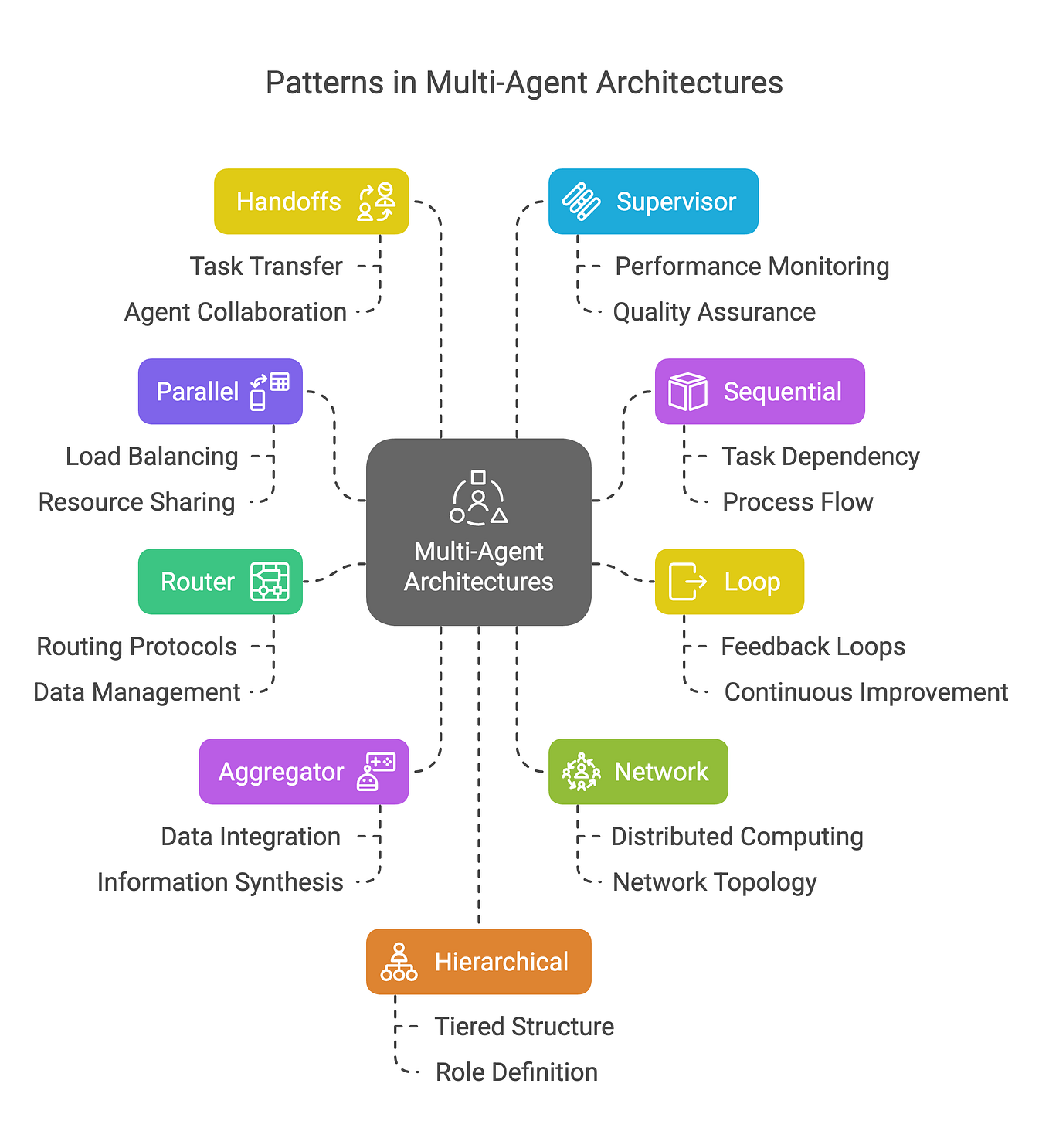
AI agents are more and more being embedded into multiple corporate software, optimizing operations and enhancing overall efficiency. These automated systems can execute a range of tasks autonomously, from handling client queries to improving logistics operations. By automating repetitive tasks, organizations can devote their human resources to more strategic initiatives, allowing workgroups to concentrate on creativity and growth rather than routine operations.
One significant area where intelligent systems are making a major difference is in client support. With their ability to understand and respond to customer queries in real-time, AI agents provide quicker and more precise assistance than traditional methods. This not only boosts customer contentment but also enhances loyalty, as organizations can provide round-the-clock support and tailored experiences customized to individual needs.
In supplementing customer service, AI agents are revolutionizing advertising and selling efforts by automating prospect acquisition and campaign management. By examining data patterns and customer behavior, these systems can identify potential leads and implement targeted campaigns. This not only improves efficiency but also increases the ability to close deals, as sales staff can interact with prospects at the optimal time and with personalized messaging, which driving revenue growth for the business.
Building and Selecting AI Agents
Regarding developing your first AI agent, the primary step is recognizing your unique business needs. Determine the tasks or functions that require automation to enhance efficiency. This insight will guide your design choices and assist you zoom in on the necessary attributes that your AI agent must include. Once you have a definitive use case, you can commence investigating various machine learning frameworks and tools that simplify the development process, such as PyTorch.
Selecting the appropriate AI agent platform calls for careful thought of multiple factors. Look for platforms that feature intuitive interfaces, strong integration capabilities with your existing systems, and advanced analytics to evaluate performance. Additionally, consider the platform's scalability to ensure it can grow together with your business, as well as its support for data protection to shield private data. The optimal platform should align with your technical expertise and supply plenty of resources for training and development.
In conclusion, understanding the significance of trial and error and iteration cannot be undervalued. Start by implementing your AI agent in a limited environment to collect feedback and refine its functionality. Continuous supervision allows you to identify areas for improvement, modify to changing business conditions, and better user experience. As you enhance and develop your AI agents, you will find that they not only boost productivity but also unlock new opportunities for innovation within your organization.