Turning Trash to Treasure: Creative Recycling Strategies


In the current climate, effective waste management is of utmost importance. As the problems of waste disposal and environmental sustainability persist, both businesses and individuals are looking for new solutions to turn potential trash into useful resources. This shift from waste to treasure is not only advantageous for the environment but can also lead to significant cost savings and enhanced efficiency for businesses.
The significance of comprehending current waste management techniques cannot be overstated. With various strategies available, from recycling and composting to smart technology solutions, everyone can contribute to a healthier environment. This article examines the ultimate guide to efficient waste management, providing information into its importance, ways to enhance practices, and the impact of new technologies in creating a sustainable approach. Whether you’re an entrepreneur, a property owner, or a learner, there are many ways you can positively impact on waste management and help combat the environmental effects of inefficient practices.
Efficient Refuse Disposal Methods
Establishing efficient refuse management practices is essential for companies and homes alike. One of the primary actions is to perform a garbage evaluation, which helps recognize what materials are being disposed and where improvements can be implemented. By understanding the waste cycle, people and companies can create specific strategies to lower garbage generation and improve repurposing efforts. Ongoing evaluations also guarantee compliance with waste disposal laws and help measure advancements towards refuse reduction objectives.
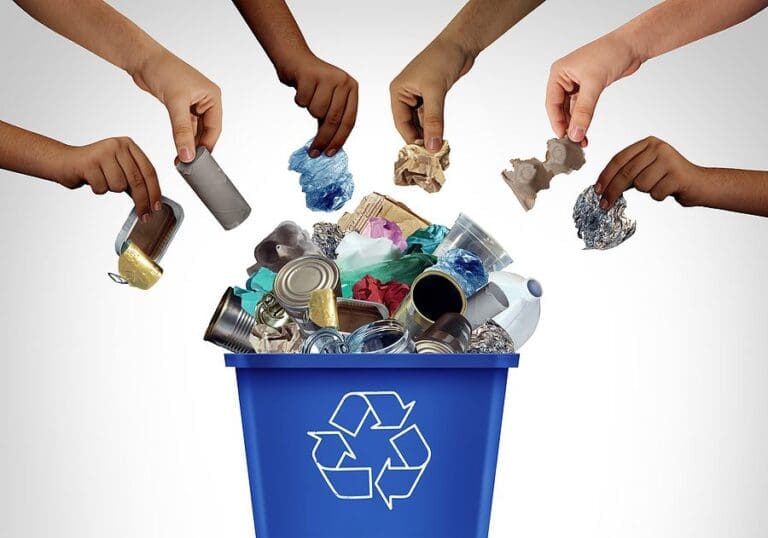
Another essential method is waste separation. By sorting garbage into specific categories such as recyclable materials, biodegradable garbage, and hazardous substances, it turns easier to manage and confirm that each category is handled correctly. This not only increases repurposing rates but also lowers contamination, which can impede recycling efforts. Teaching website and household members about the importance of division and providing the necessary containers enables a smoother refuse handling system.
In conclusion, embracing technology can significantly improve waste management techniques. Smart refuse management strategies, such as on-the-spot observing systems and analytics, enable organizations to enhance their waste collection schedules and lower running spending. Additionally, employing app-based applications can promote public involvement in recyclable initiatives. By utilizing cutting-edge tech, companies can streamline their waste disposal approaches, making them better while also assisting to a further sustainable environment.
The Role of Technology in Recycling
Technology has revolutionized the waste management sector by enhancing effectiveness and efficiency across various procedures. Cutting-edge sorting systems utilize AI and machine learning algorithms to recognize and categorize recyclables accurately. This mechanization considerably minimizes human error, ensuring that additional materials are handled properly. As a consequence, recycling facilities can process larger quantities of waste and enhance the standard of recyclable materials, which boosts their market value.
In addition, data analytics plays a key part in enhancing recycling operations. By Click here to find out more and reviewing data on waste flows, centers can detect patterns and opportunities for enhancement. This information helps entities make informed decisions about strategies for managing waste, potentially resulting in reduced costs and increased efficiency in operations. Technology facilitates better collaboration among stakeholders, allowing for a more synchronized method to recycling initiatives and distribution of resources.
Innovative technologies such as distributed ledger technology are also emerging in the waste management sector, providing transparency and traceability throughout the recycling process. This ensures that recycled materials are sourced ethically and encourages responsible practices among companies. As technology keeps to evolve, it will even more transform recycling into a much more streamlined, effective, and environmentally-friendly approach, aligning with the broader goals of sustainable waste management and a closed-loop economy.
Sustainable Approaches for Companies
Implementing sustainable waste management practices is essential for businesses looking to minimize their ecological footprint and promote a closed-loop economy. Companies can begin by carrying out waste audits to analyze their present waste generation and find opportunities for improvement. This evaluation can guide the development of a waste reduction plan, facilitating it more straightforward to introduce recycling initiatives, composting schemes, and responsible disposal practices. By emphasizing waste segregation, organizations can make certain that recyclable and compostable materials are processed correctly, thus lessening landfill contributions.
An additional key solution is to adopt eco-friendly packaging methods. Companies can investigate alternatives such as breakdown-able materials, multi-use containers, and streamlined designs to significantly cut down on waste produced from product packaging. Additionally, partnering with suppliers to find eco-friendly packaging options not only boosts a business's sustainability reputation but also draws in environmentally aware consumers. Training employees on the value of sustainable initiatives fosters a culture of waste reduction that permeates throughout the business.
Technology plays a vital role in enhancing waste management for companies. Smart waste handling solutions, such as smart bins that track waste levels, permit organizations to enhance their collection schedules and lower operational costs. Furthermore, using software for recording waste generation and disposal can provide valuable insights for continuous improvement. By staying updated on laws and adopting innovative waste management approaches, companies can not only conform with laws but also establish themselves as forerunners in sustainability within their field.