The Essential Key Strategies to a Dry Basement: A Homeowner's Waterproofing Manual


Every single property owner envisions of a dry and comfortable basement that can serve various purposes, ranging from storage areas to a leisure space. Still, numerous encounter the unfortunate reality of humidity problems that may result in mold development, structural issues, and possibly compromised indoor air quality. Comprehending the intricacies of the waterproofing process for basements is crucial for individuals seeking to protect their property and ensure a secure living environment.
In this detailed guide, we will examine the various methods of waterproofing a basement, discuss the signs that point to your basement may need immediate attention, and give tips on how to ensure a healthy and safe space. Regardless of whether you are planning do-it-yourself options, hiring a professional, or just looking to expand your understanding about the procedure, this handbook will provide you with the insights you need to keep your basement dry and improve your home's total worth.
Cellar Waterproofing Fundamentals
Basement waterproofing is critical for maintaining the structure of your home. It involves multiple methods and techniques aimed to keep water out of your cellar, protecting your possessions, and maintaining the physical integrity of your property. With a moist cellar, not only can damage occur to walls and floors, but it can also create an environment conducive to mold growth and damage to your foundation.
Recognizing the most frequent causes of basement leaks is crucial for effective waterproofing. Conditions such as poor drainage systems, significant rainfall, and thawing snow can cause water intrusion. Foundation cracks and seepage through sides are common issues that homeowners encounter. Being aware of these causes will help you identify the need for prompt action to prevent further damage.
There are two primary strategies to cellar waterproofing: interior and exterior methods. Interior sealing centers on managing water that has already entered the basement, often using pumping systems and drainage systems. On the other hand, exterior sealing involves creating a barrier to stop water from entering the basement in the first place, typically by applying sealants or improving landscaping and drainage around the home. Figuring out which method works most effectively for your situation is a key step in securing a dry and safe basement.
Signs Your Basement Requires Attention
A crucial aspect of keeping your basement dry is recognizing the signs that signal immediate waterproofing needs. One of the most evident signs is the presence of damp patches or discoloration on the walls and floors. These stains often appear as deep patches or streaks and can signal past or present leaks. If you spot any puddles or standing water, it is a definite signal that you should act to prevent further damage.
Unpleasant odors are another powerful indicator of moisture problems in your basement. If you first to notice a moist smell, it is likely that mold or mildew is developing due to excess moisture. This not only threatens the structural soundness of your home but can also lead to health problems for you and your family. Inspect corners and hidden areas where water might accumulate, as these places are often overlooked.
Cracks in basement walls and floors should not be overlooked. These fissures can allow water to penetrate, especially during downpours. Pay close attention to any developing cracks or changes in existing ones, as they may worsen over time. It is essential to address these issues swiftly to protect your home from water damage and to ensure a healthy living environment.
Cost and Worth of Waterproofing Systems
The cost of cellar waterproofing can vary significantly based on multiple elements, including the dimensions of the basement, the type of waterproofing method employed, and the current state of the space. On average, property owners can anticipate to pay between one thousand to five thousand USD for professional waterproofing. This investment may seem substantial upfront, but it is essential to consider the future benefits, such as avoiding water damage and steering clear of costly repairs down the line.
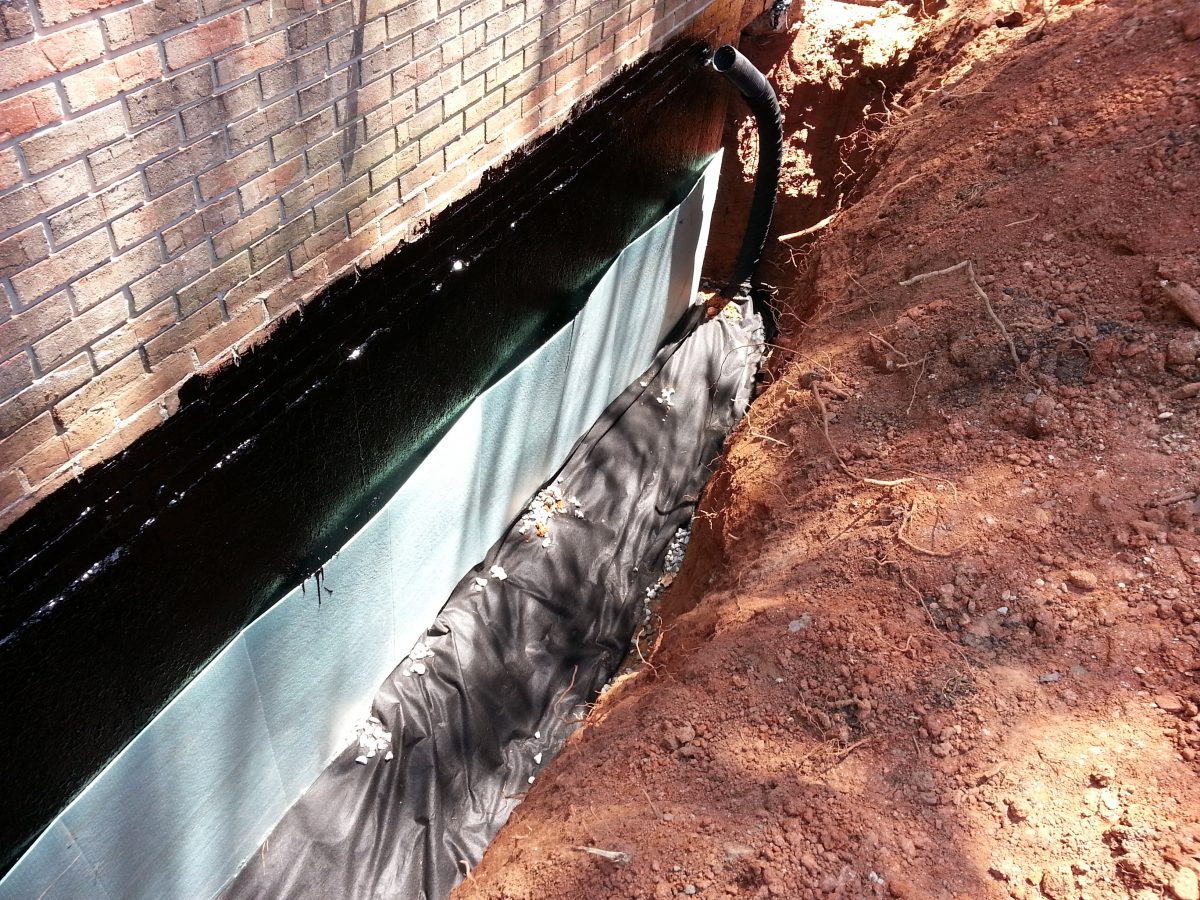
Investing in cellar waterproofing can also increase your property's overall value. A dry, well-maintained cellar can be a major selling point for prospective purchasers, as it signifies a safe living environment and lowered risk of mold and structural problems. In fact, homes with effective waterproofing systems often move more quickly and at greater costs compared to those without. Thus, home improvement Toronto can translate into a lucrative return on your money.
Additionally, waterproofing not only adds to property worth but also contributes to a healthier living environment. Effective waterproofing reduces the risk of mold growth, which can impact indoor air quality and lead to health problems for occupants. By making sure that your basement is dry, you are not only safeguarding your investment but also fostering a more secure and more pleasant living space for you and your family.