The Art of Stone Renewal:


Stone surfaces have been admired for their grace and durability throughout history, adorning homes, buildings, and public spaces with their timeless beauty. However, with the flow of time and subjecting to the elements, these majestic materials can become dull, scratched, or marked, reducing their instinctive charm. This is where the art of stone refurbishment comes into play. Understanding what stone restoration involves and its significance can help homeowners and property managers protect the aesthetic appeal and value of their spaces.
Ranging from marble and granite to travertine and limestone, each type of stone requires unique techniques for successful restoration. This detailed guide will investigate the different methods of stone revitalization while emphasizing the necessity of expert services. Whether you're noticing wear on your beloved marble floors or dealing with the usual issues of exterior stone surfaces, learning about restoration can lead to remarkable results. Come along as we delve into the world of stone restoration, uncovering tips, methods, and information to preserve the beauty of these timeless materials.
Understanding Rock Refurbishment
Natural stone restoration is the method of restoring natural stone exteriors to their original beauty and functionality. Over the years, stones such as marble can get tarnished and worn due to constant wear and tear, exposure to severe environmental conditions, or inadequate cleaning methods. Restoration techniques include cleaning, fixing, buffing, and sealing the stone to boost its appearance and lengthen its durability.
The significance of stone restoration cannot be overemphasized, especially for maintaining the aesthetic and structural integrity of both home and commercial properties. As these surfaces age, stains, scratches, and etching can diminish from their visual appeal. Consistently maintaining stone not only preserves its grace but can also avert further harm that might require more significant repairs or even replacement, which is often much more expensive.
Understanding the positives of expert stone restoration is vital for property owners. Skilled professionals can detect specific problems and utilize the right methods to resolve them efficiently. From boosting the shine of marble floors to revitalizing worn countertops, a properly done restoration can transform any stone surface, contributing to the overall value and appeal of the property.
Methods and Advantages of Refurbishment
Natural stone restoration makes use of a variety of methods to restore and preserve the beauty of natural stone surfaces. Some of these methods are intensive cleaning, smoothing, and buffing, which assist to eradicate dirt, blemishes, and scratches, uncovering the stone’s natural luster. Advanced methods such as diamond honing can level rough surfaces and fix irregular areas, while coating works to protect against subsequent deterioration. By utilizing the optimal blend of these techniques, professionals can restore both the look and usability of natural rock.
The benefits of natural stone restoration extend beyond mere visuals. Properly done restoration can considerably boost the resilience and lifespan of stone surfaces, making them more tough against damage and degradation. Furthermore, restoration is commonly more cost-effective than full substitution, providing an cost-saving solution to homeowners. By dealing with small concerns before they progress into major problems, rock restoration can save effort and cost in the long run.
Ultimately, restored stone surfaces add to the overall investment of a building. Whether domestic or industrial spaces, properly preserved stone can enhance the attractiveness of areas, luring interested buyers or tenants. Additionally, consistent maintenance can avoid the financial results of disregard, ensuring that your expenditure in stone remains a fount of satisfaction and appeal for long to come.
Care and Long-Term Care
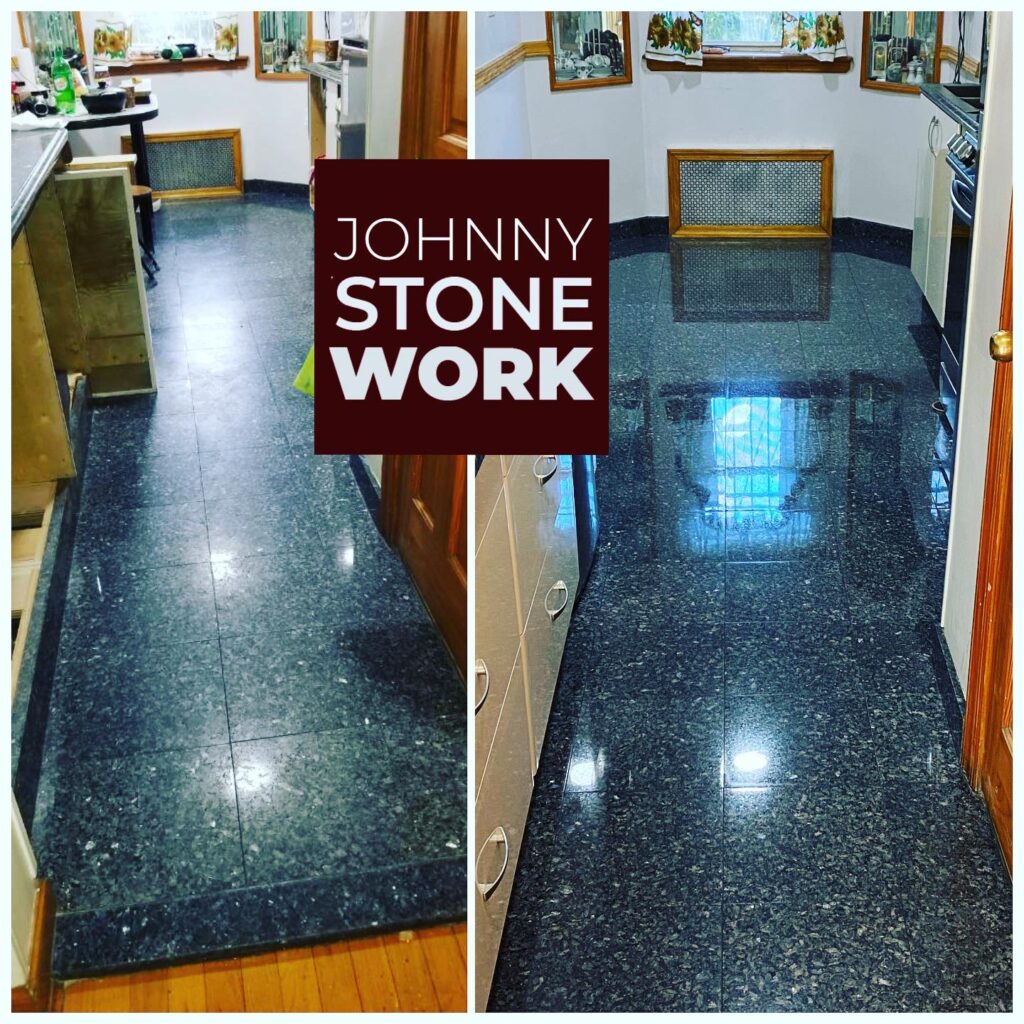
To secure the durability of your recently updated stone surfaces, regular maintenance is crucial. This starts with simple cleaning techniques. Use a pH-balanced stone cleaner to prevent damaging the sealant or the stone itself. It is wise to avoid acidic or abrasive products, as they can cause etching and dulling. Regular sweeping or dusting aids stop dirt and grit from damaging the stone exteriors.
In furthermore to cleaning, it's important to apply a fresh coat of protective finish as recommended by your repair professional. The rate of resealing can change depending on the type of stone and the level of foot traffic it sustains. For instance, granite and quartz can typically go longer between sealing applications than more delicate stones like marble or travertine. Keeping stone conservation on the sealant's performance can help protect against stains and moisture intrusion.
Finally, proactive care includes monitoring for any indications of damage or wear. Be attentive for scratches, etching, or any shifts in texture or color. Addressing these issues promptly can stop more extensive damage and costly repairs in the future. By including these maintenance routines, you can preserve the beauty and integrity of your stone exteriors for years to follow.