The Art of Spray Artistry: Mastering the Approach


Aerosol painting is a remarkable technique that enables both painters and DIY enthusiasts to transform their concepts to life with speed and accuracy. Whether you are looking to update your furnishings, revive your walls, or dive into an commercial project, mastering the skill of spray painting can elevate your projects to a whole new standard. With the right tools, techniques, and a little practice, anyone can secure a seamless finish that rivals expert results.
In this article, we will examine the essential aspects of spray painting, from choosing the correct type of spray paint for your jobs to typical mistakes to watch out for. We will take you through the preparation process, the benefits of using primer, and how to achieve smooth, consistent coats. Whether you're a newcomer or looking to enhance your skills, our advice will help you traverse the amazing world of spray painting with assurance and imagination.
Crucial Techniques for Flawless Spray Painting
Securing a sleek spray paint finish needs a combination of technique and setup. Before you begin, ensure that your workspace is tidy and circulated. Position your project at a ergonomic height to lessen strain while you paint. Start by shaking the spray can forcefully for at least two minutes to confirm the paint is thoroughly mixed. When spraying the paint, hold the can about 12-18 inches from the surface, angling it slightly to create an consistent spray pattern. This distance is critical for avoiding drips and runs.
As you start spraying, use a broad motion from side to side, overlapping each pass by about 50%. This technique not only promotes an uniform distribution of paint but further helps in reducing the risk of patchy spots. To boost your control, train on a scrap piece of material before working on your actual project. This will give you a grasp for the spray pattern and enable you to adjust your technique if necessary.
Schedule is another important factor in perfect spray painting. Give the first coat to dry completely before applying follow-up coats, typically waiting at least 15-30 minutes based on the paint type and environmental conditions. Always adhere to the manufacturer's recommendations, as this will guarantee optimal adhesion and finish. If you spot any imperfections or runs, you can lightly sand the surface once the paint has dried, followed by a concluding coat to achieve that professional look.
Typical Errors plus Ways to Sidestep Them
A common errors in spray painting is failing to getting ready the surface. Failure to prepare, sand, or coat the area results in poor stickiness and uneven results. To avoid this mistake, always take the effort to clean the surface properly, taking away dust, grease, as well as old paint. For different substrates, such as metal or wood, suitable primers should be utilized to create a solid foundation for the paint. Proper preparation guarantees a more even and more long-lasting finish.
A further common pitfall involves applying too much paint at once, which may lead to drips and runs. To get an equal application, it is essential to use light, even coats and to keep the spray gun or gun steady without interruption. Overloading any one area can disrupt the finish and ruin the project. Maintain a calm hand and ensure a suitable distance from the surface, generally around 6 to 12 inches, to achieve the best results.
Finally, many beginners neglect the value of environmental conditions during the spray painting process. Elements such as wind, humidity, and temperature can dramatically influence the outcome. You should always check the weather before embarking on your project, confirming you apply paint in a quiet and dry environment. Ideally, choose a day with mild temperatures and low humidity for the optimal adhesion and drying times, which will help you avoid common problems related to unfavorable situations.
Tools and Protection for Successful Spray Painting
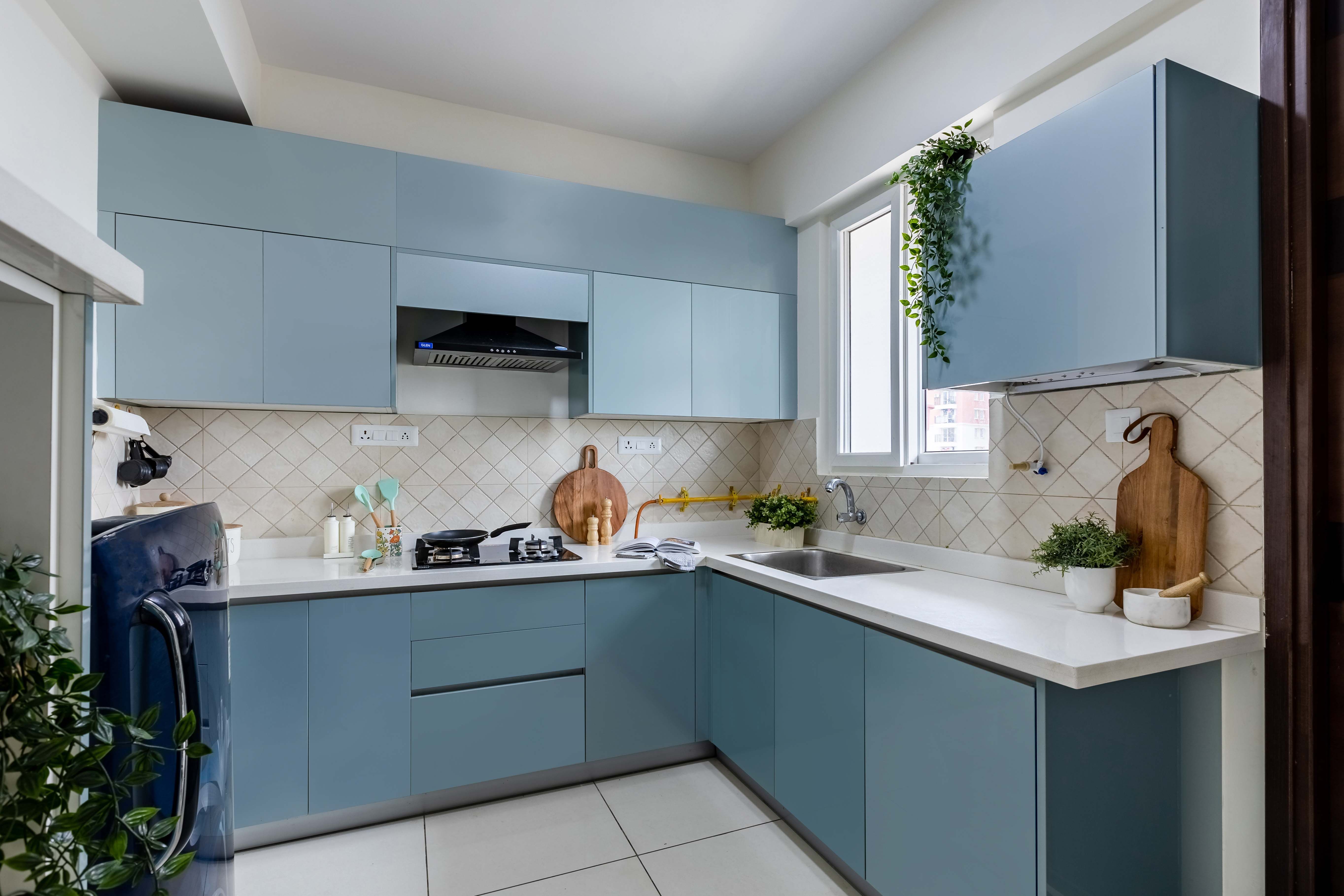
Having the right tools is important for achieving a high-quality spray paint finish. Begin with a good quality spray gun or aerosol cans, according to your project needs. For Kitchen Respraying And Spraying Leeds West Yorkshire of DIY projects, an airless spray gun can provide superior control and a more even finish than standard cans. Additionally, consider acquiring various nozzle sizes to accommodate different types of paint and surfaces. Don't forget about drop cloths, painter's tape, and masks to shield surrounding areas and ensure accuracy during the spray application.
Protection should consistently be a focus when spray painting. Use a breathing mask designed for paint fumes to safeguard your lungs, as despite low levels of spray paint can contain dangerous chemicals. Safety goggles are also essential to protect your eyes from splatter. Ensure that you are wearing gloves and old clothing to protect your skin and lessen the mess after your project. Moreover, work in a airy area, either outdoors or in a garage with open doors and windows, to remove any harmful fumes promptly.
Finally, maintaining your spray painting tools will greatly influence the results of your projects. After each use, clean your spray gun carefully to prevent paint buildup, which can affect forthcoming performance. For aerosol cans, check the nozzle for blockages and store them in a chill, unmoistened place. Regularly handle paint and solvents carefully, and follow local regulations for the disposal of spent cans and leftover products. By equipping yourself with the right tools and adhering to precaution measures, your spray painting projects will be more enjoyable and successful.