Steering Clear of Catastrophe: The Importance of Basement Damp Proofing is Vital


A dry and secure basement is vital for preserving the condition of your house. Unfortunately, many property owners neglect the importance of waterproofing the basement until it is too late. Moisture damage can cause costly repairs, mildew growth, and even structural problems that compromise the overall safety of your living space. In this manual, we will explore the important justifications why waterproofing the basement is not just an alternative but a necessity for property owners.
From recognizing the 10 signs your cellar needs prompt action to understanding the differences between interior and exterior waterproofing techniques, we will cover it all. You'll discover how to choose the appropriate contractor, what to anticipate in terms of expenses, and how effective basement waterproofing can boost your house's value. Whether you are dealing with an older home or recently built property, shielding your basement from moisture damage is a smart investment that pays off in both security and peace of mind.
Key Signs Your Basement Needs Waterproofing
A clear indication that waterproofing is needed in your basement is the presence of water stains or damp spots on the floors and walls. If you notice color changes or a musty smell, this indicates the buildup of moisture, which may result in greater problems if not addressed. It's essential to act quickly because these spots can be a sign of a persistent leak or elevated humidity levels, both of which can escalate into more significant problems.
Another critical sign is the appearance of fungus or mildew in your basement. These fungi thrive in moist conditions and may present significant health hazards to your household. If you find mold growth, it is an indication that the area is excessively humid or leakage, often resulting from inadequate waterproofing. Even if mold is not currently visible, you may notice a musty odor that suggests moisture issues needing inspection or remediation.
Finally, cracks in the foundational walls serve as a strong sign that waterproofing may be necessary. Such fissures not only allow water to seep in but can also compromise the stability of your home. If you notice any cracks that are new or expanding, it's crucial to look further into this matter. Dealing with waterproofing prior to worsening crack conditions can avert significant damage and costly repairs down the road.
Comprehending Basement Moisture-Proofing Methods
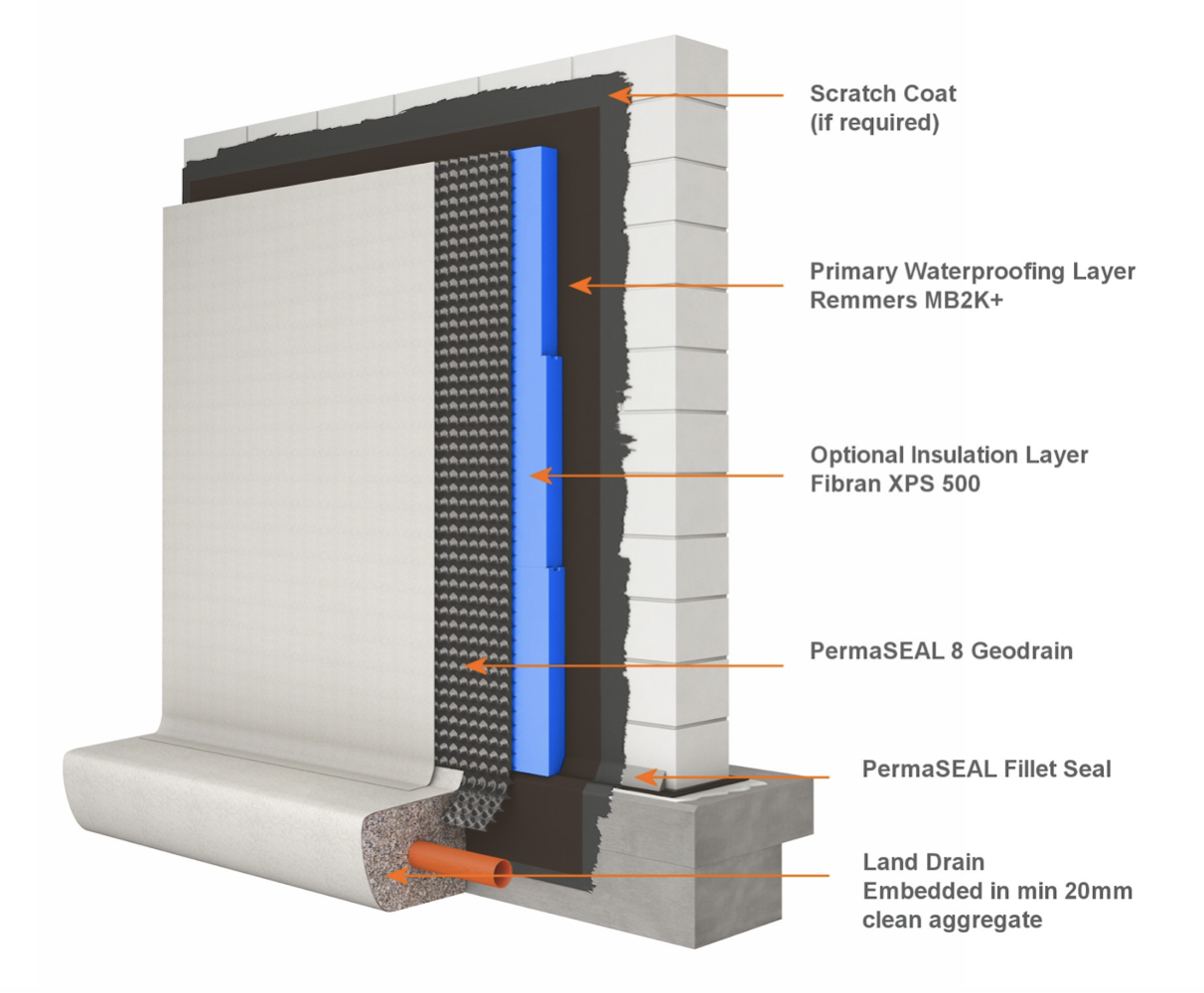
Basement waterproofing methods are essential to protecting your home from water damage, mold development, and construction issues. A couple of primary approaches exist: interior and outdoor waterproofing. http://bing-qing.com/members/koreanbow66/activity/426671/ upon closing the inside of the cellar in order to block moisture infiltration. This method usually entails the application of barriers, setting up pumping pumps, and creating drain solutions like French drainage. Conversely, exterior moisture-proofing aims to addressing the source of water before it gets into the basement. This methodology frequently involves digging around the foundation, applying moisture-proof layers, and enhancing outdoor drainage solutions to redirecting water from the house.
Choosing the appropriate approach depends on various factors, such as the severity of the water problem and the construction of your house. For houses with significant water issues, exterior waterproofing tends to be more efficient as it mitigates moisture infiltration right at the source. Nonetheless, if the condition is not as critical, indoor methods might be adequate and more economical. Homeowners ought to assess their specific situations and perhaps consult a professional to determine the best approach to their basement waterproofing requirements.
Ultimately, understanding these techniques not only helps in taking informed choices but also highlights the importance of consistent maintenance. Numerous waterproofing solutions need maintenance to ensure their effectiveness over time. Property owners ought to be cognizant of possible warning signs, such as flaking paint or musty smells, which signal that the waterproofing system may need repair or replacement. Through selecting the appropriate moisture-proofing solution and maintaining it well, homeowners are able to protect their cellars and improve the duration and value of their properties.
The Impact of Basement Waterproofing on Home Value
Spending money in basement waterproofing can greatly enhance the worth of a home. Potential buyers are typically wary of homes that show signs of water issues, as damp basements can lead to extensive damage and expensive repairs in the long run. A properly cared for, waterproofed basement offers peace of mind to buyers, making a property not only more appealing but also possibly faster to sell. Homes that demonstrate a forward-thinking attitude to maintenance and care are typically priced higher in the property market.
Moreover, waterproofing can improve the usability of the basement, transforming it into a usable area for leisure, storing, or even living space. This added square footage can boost the overall livable space of the home, presenting opportunities for extra income through rental income or simply improving family enjoyment. Buyers are often prepared to pay a higher price for properties that maximize every square foot, especially when that space has been safeguarded from moisture issues.
Moreover, waterproofing plays a crucial role in maintaining the stability of a house's foundation. A strong foundation is essential to a property's structural health, and showing that it has been protected against moisture problems can reassure prospective buyers. This assurance can translate into a higher resale value and less negotiations on repair costs, highlighting the long-term benefits of investing in basement waterproofing for homeowners looking to maximize their property’s worth.