Stay Frosty: Essential Tips for Cooling System Installation


As temperatures increase, guaranteeing a pleasant plus cool home turns into a primary priority for many property owners. Air conditioning setup is a crucial part towards creating an inviting indoor atmosphere, especially during the blistering summer months. Whether or not you are upgrading an outdated system or putting in a brand new unit for the initial installation, grasping the nuances of this task can create a great difference in your ease and contentment.
In this comprehensive overview, we will examine key tips and information to help you navigate the realm of air conditioning installation. From recognizing the right time for a replacement to picking the best unit for your home, we will cover everything you need to know to decide wisely. With the right information, you can guarantee your cooling investment is worth it, keeps your indoor environment at an ideal temperature, and even enhances the overall worth of your residence.
Crucial Tips for Air Conditioning Installation
When preparing for air conditioning installation, it's important to choose the right season of year. The ideal times for setup are spring and fall, as demand is reduced and HVAC technicians are more accessible. This timing not only guarantees that you can arrange a skilled technician of your choice, but it can also lead to better pricing and quick support. Avoid peak hot summer months when HVAC specialists are overwhelmed and costs may increase.
Choosing the correct capacity for your air conditioning system is another critical factor. Bigger is not always better; an overly large unit will cycle on and off frequently, leading to inefficient cooling and higher energy bills. Conversely, https://blogfreely.net/priesthyena93/cooling-system-setup-misconceptions-debunked-which-truly-functions will struggle to maintain a comfortable temperature in your home. You should calculate your home's cooling needs by taking into account factors such as area size, insulation, and local climate, and talk with a professional to determine the best unit size.
Before setup day, make sure to prepare your home adequately. Clear any clutter around the area where the unit will be installed, both indoors and outdoors. This helps the installers work efficiently and securely. Additionally, consider reviewing your home layout and particular cooling needs with the setup team to make certain that the system is set up for best performance. Adequate preparation can lead to a smoother installation experience and a more effective air conditioning system overall.
Tips for Selecting an Appropriate Air Conditioner
Determining the right air conditioner for your household requires understanding your specific cooling needs. First, taking into account the dimensions of the room you wish to cool. An air conditioner that is too small will struggle to cool your home effectively, while one that is oversized may result to uneven temperatures and increased energy costs. Calculate the area of the rooms, and consult a cooling capacity guide that correlates the size of your home to the BTU (British Thermal Unit) needs of different air conditioning models.
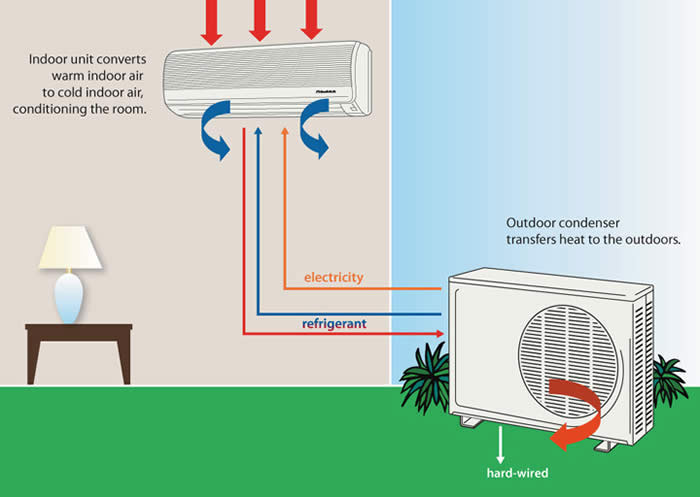
Afterward, assess the kind of air conditioning system that will best suit your lifestyle and the layout of your home. Central air systems are perfect for big homes with pre-installed ductwork, providing efficient cooling across several rooms. On the other hand, ductless mini-split systems offer versatility for homes without ducts, allowing you to chill specific areas without the necessity of extensive renovations. Consider the architectural style of your home and your budget when choosing from these options, as both has its advantages and disadvantages.
Finally, do not overlook the significance of energy efficiency. Search for units with high SEER (Seasonal Energy Efficiency Ratio) ratings, as higher efficiency models tend to reduce energy bills over time. Additionally, consider features like smart thermostats and energy-saving modes that can further enhance efficiency and convenience. Research different brands and check out customer reviews to find an air conditioning system that fits your requirements, preferences, and financial plan while ensuring reliable performance and long-term satisfaction.
Common Blunders to Prevent During Installation
One of the most frequent mistakes during air conditioning installation is improper sizing of the unit. Numerous homeowners and even some contractors assume that bigger is always better, but this can lead to issues and increased energy costs. An oversized air conditioner can cycle on and off too often, leading to increased wear and tear, while an undersized unit may struggle to cool the space sufficiently. It’s crucial to conduct a proper load calculation to determine the right size for your home.
Another regular error is neglecting air flow considerations. The positioning of the air conditioning unit and the routing of ductwork or vents greatly affect the efficiency of the system. Poor airflow can result from blockages, incorrect duct sizing, or improper placement of vents, causing uneven cooling throughout the space. Homeowners should ensure that there are no obstructions and that airflow routes are optimized for the best results.
Lastly, skipping professional installation can lead to a multitude of issues down the line. While DIY projects may seem appealing for cost-saving options, incorrect installation can void warranties and result in expensive repairs. Professional installers have the expertise needed to handle the details of system installation, ensuring that the unit is set up correctly and in accordance with local codes. Investing in a qualified technician is worthwhile in ensuring a reliable and efficient cooling system for an extended period to come.