Revolutionizing Household Living::A Surge of Heat Pumps


Because the efficiency of energy use and the push for environmental sustainability continue to shape the way we approach home temperature regulation, heat pump systems are emerging as a revolutionary solution for residents. These advanced systems, designed for heating and cooling your home, are seeing a rise in adoption due to their ability to reduce energy consumption and lower household expenses. Armed with proper information, homeowners can make informed decisions about adding heat pumps into their houses, ensuring a comfortable and efficient environment year-round.
In the following text, we will explore the essential details about the technology of heat pumps, including their efficiency compared to conventional HVAC systems to the specifics of installation and maintenance. If you are thinking about upgrading your current system or constructing a new residence, understanding the important characteristics and advantages of heat pumps will assist you in navigating the various options in today’s market. Come along as https://airsourceheatpumpsyorkshire.com/ delve into the exciting field of heat pumps and find out the ways they can transform your comfort at home.
Comprehending HVAC Heat Pumps along with the Advantages
Heat pumps stand as an innovative way for both cooling homes. In contrast to conventional systems which generate heat or cold air, heat pumps transfer heat between locations, resulting in their being extremely efficient. Through extracting thermal energy from the atmosphere, earth, or liquid, they are able to provide pleasant indoor climates throughout the year. This technology also support energy-saving practices while also reduces harmful emissions, making it an eco-friendly selection for homeowners.
One of the significant advantages of these pumps is their ability to conserve energy. They can be up to as much as four times more efficient than traditional heating units as they simply move heat instead of creating it directly. Such efficiency results in decreased utility bills, which is a critical factor for many homeowners aiming to cut monthly costs Moreover, given the increasing cost of energy, these heating and cooling systems deliver a stable and likely more affordable long-term heating and cooling solution.
Aside from reducing costs, these systems improve indoor comfort. They maintain stable temperature levels more effectively than traditional HVAC systems, diminishing swings in temperature in the living space. Additionally, as these devices can serve both heating and cooling purposes, residents can benefit from year-round comfort without needing distinct systems. This versatility, together with their eco-friendly nature, establishes heat pumps as a strategic choice for the future of residential heating and cooling.
Setup and Pricing Factors
In the case of a heat pump setup, homeowners should consider multiple factors that impact both expenses and logistics. The initial pricing for heat pumps can fluctuate significantly depending on the category—air-based or ground source—as well as the dimension and manufacturer of the system. Typically, air source heat pumps are more affordable to install, while geothermal systems come with higher initial costs due to the necessary ground loop installation. It is essential to obtain several quotes from qualified contractors to evaluate your options effectively and ensure competitive pricing for your specific installation scenario.
Additionally, the complexity of your home can affect the installation process. Elements such as the layout, current ductwork, and insulation quality will determine whether a ducted or mini-split system is better suited. Homes without existing ductwork may incur extra costs for retrofitting, whereas putting in ductless mini-splits can offer a more straightforward alternative. Assessing your current heating system, as well as the size of the heat pump needed for ideal performance, is essential in determining overall costs.
Homeowners should also be aware of potential rebates and tax credits available for heat pump installations, which can greatly offset costs. These incentives differ based on location and can make transitioning to a heat pump far more financially viable. Investigating available programs in your area, coupled with the calculated long-term savings on energy bills, can help you make a well-informed decision about investing in a heat pump for your home.
Performance and Care Guidelines
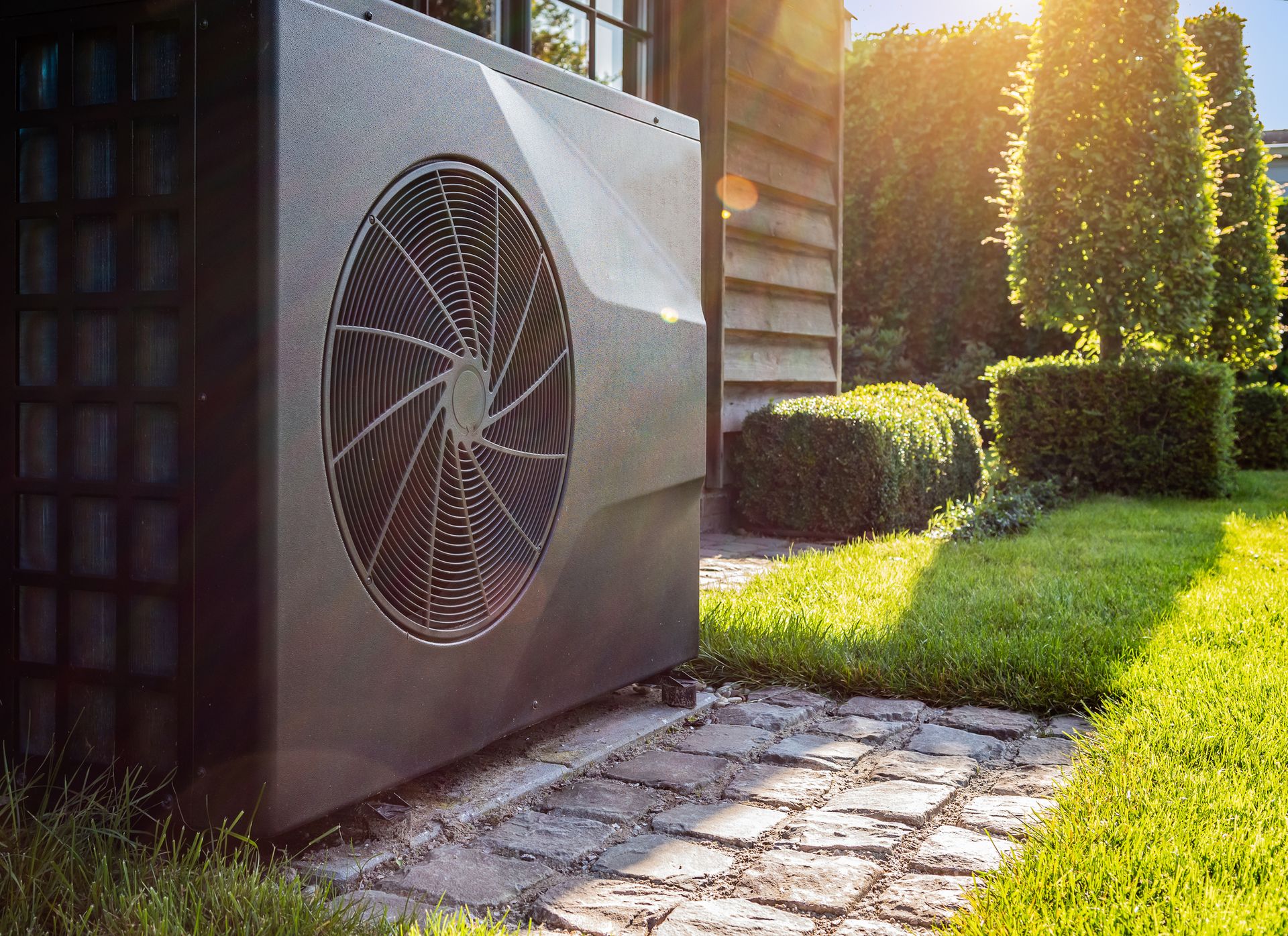
Heat pumps are designed to provide efficient warmth and chilling, adjusting their performance based on the surrounding temperature. In cold climates like Colorado, heat pumps can still function effectively, especially when utilizing a dual-fuel system or a geothermal option. Modern technologies have enhanced their ability to extract heat from the air or ground even in lower temperatures, guaranteeing consistent indoor comfort throughout the year. However, property owners should be mindful of how external factors can affect performance, especially during extreme cold snaps.
Maintaining a heat pump is crucial to optimizing its durability and effectiveness. Routine care, including filter changes and coil cleaning, can avert common issues and improve energy efficiency. Homeowners are advised to create a maintenance routine, checking key components seasonally. Tending to small problems early can stop larger, more costly repairs and ensure that the system operates efficiently, thus providing optimal performance throughout the heating and cooling seasons.
Finally, when thinking about the setup of a heat pump, understanding its noise levels and choosing the right model is crucial. Ducted options can often be less noisy than non-ducted systems, but each type have multiple models on the market with different decibel ratings. Homeowners should research and evaluate brands to find a heat pump that fits their noise preferences and performance needs. Additionally, exploring available rebates and tax credits can further enhance the financial benefits of transitioning to this eco-friendly heating and cooling solution.