Navigating the Waters: Insider Insights for Property Owners Facing Flood Damage


Water damage can be a homeowner's worst fear, striking unexpectedly and causing major distress. Whether it's the aftermath of a intense rain, a burst pipe, or a malfunctioning appliance, the effects can be catastrophic. Knowing how to navigate the restoration process is crucial for protecting your property and your peace of mind. Understanding what to do immediately after water damage can help mitigate further issues and set you on the right course toward recovery.
In this detailed guide, we will cover everything you need to know about water damage restoration. From recognizing the usual causes of water damage to identifying the indications that indicate you need emergency assistance, we aim to equip you with valuable insights. We will also delve into the difference between water damage and flood damage, explore the underlying dangers of untreated issues, and share professional tips on how to prevent mold growth and protect your belongings. With https://3sraz.com/ , you can take preventative steps to safeguard your home and efficiently navigate the complicated challenges of water damage recovery.
Immediate Measures Following Fluid Destruction
When water damage occurs in the home, the first step is to prioritize safety. Make sure that the source of water is terminated if practical, such as shutting off the main water supply or fixing a leaking pipe. Then, switch off electricity in the affected areas to mitigate any electrical hazards. Avoid entering rooms overflowing with standing water except you are certain that it is safe to do so.
Once safety is secured, begin the process of eliminating excess water. This can be done using containers, mops, or cloths, depending on the volume of water. If you have access to a wet/dry vacuum, use it to extract as much water as you can. The quicker you start this cleanup process, the fewer damage will happen, making it easier to restore your home.
After dealing with the immediate water issue, it's vital to record the damage for insurance purposes. Take sharp pictures of affected areas, belongings, and sources of water damage. This record will be invaluable when dealing with the insurance company. Additionally, it is wise to get in touch with a certified water damage restoration service as soon as possible to assess the situation and initiate comprehensive restoration efforts.
Comprehending Water Damage Restoration
Flood damage restoration is a critical procedure that residents must handle effectively to avoid further destruction to their properties. When water enters a home, it can cause serious problems, including structural damage, mold growth, and the degradation of possessions. The recovery process involves several essential stages, including extraction of water, dehumidification, and renovation. Each phase is vital to secure that the property is returned to its original form and to mitigate the possible health concerns associated with non-moving water.
One of the primary steps homeowners should take subsequent to moisture damage is to assess the circumstance and get in touch with a qualified damage recovery service. These experts have the expert equipment and training required to handle various types of moisture damage efficiently. The recovery procedure often starts with a comprehensive assessment to find the source of the water and the degree of the damage. This assessment allows for a customized recovery strategy that may include water pumping, moisture removal, dehumidifying, and restoring any damaged structures.
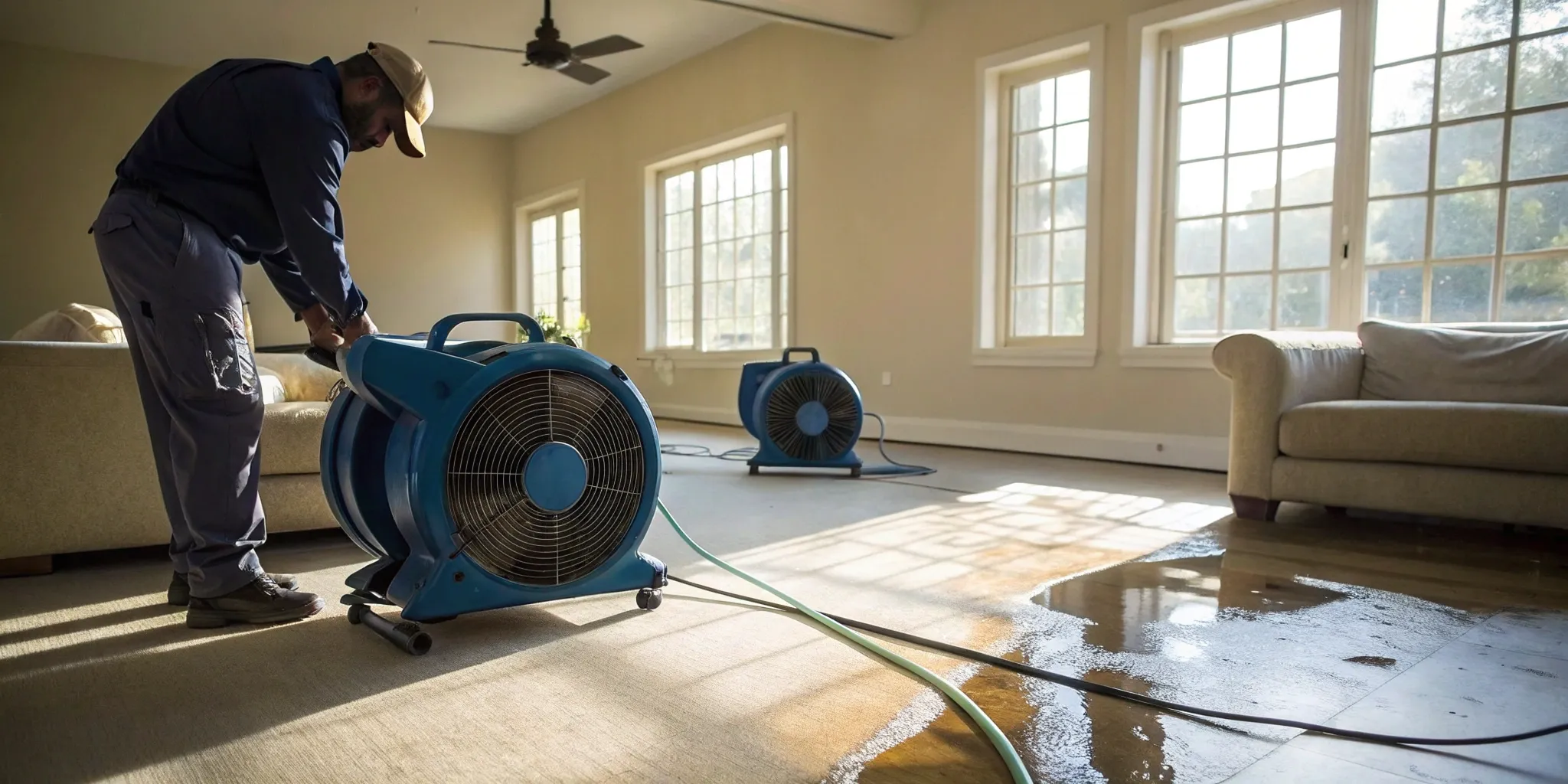
Furthermore, knowing the difference between different types of water damage is important in the recovery procedure. Clear water from a burst pipe poses lower hazard than contaminated water from sewage backups. The tactic taken will depend on the type of issue and the substances impacted. Swift response is critical in both cases, as holdups can lead to more severe difficulties such as mold issues and lasting problems with the structure, underscoring the need of quick response and professional assistance in flood damage circumstances.
Avoiding Potential Flood Issues
To protect your house from future water issues, routine care is crucial. Begin by inspecting your roof for any evidence of damage, such as loose tiles or gaps. Making sure drainage systems and spouts are free from debris will help guide water away from your base, lowering the chance of water intrusion. Additionally, inspect for faulty seals around entry points and entryways, as these can create simple access points for water during inclement conditions.
Another crucial aspect of safeguarding is keeping an eye on your pipe system. Be on the lookout for signs of failure in pipes, especially in places with moisture, such as under basins or behind machines. Think about implementing water detection systems that can notify you to problems before they escalate. Periodically servicing devices that use liquid, like laundry machines and dish cleaning units, can also prevent unexpected breakdowns and potential flooding.
Finally, establishing a moisture management plan can go a long way in safeguarding your property. Use a moisture absorber in humid areas, like basements, to control humidity levels and reduce the likelihood of mold growth. Landscaping can also play a part; ensure that your property inclines away from the foundation, and consider putting in a sump pump if your home is in a flood-prone area. Taking these preventative steps can drastically reduce your risk of experiencing water issues in the long run.