From Grime and Shine: Restoring Engines by Carbon-related Removal


Since car owners, we are constantly seeking ways to improve our vehicle's performance and longevity. One area that often goes overlooked is the build-up of carbon deposits within the engine. Over time, these deposits can accumulate, leading to reduced efficiency and possible engine problems. Engine carbon cleaning is a process designed to remove these harmful deposits, restoring your car’s performance and fuel efficiency. But, what exactly is engine carbon cleaning, and why should you think about it for your vehicle?
In this article, we will explore the essential aspects of engine carbon cleaning, including the signs that suggest your engine may need a comprehensive clean. Engine Carbon Cleaning Wimborne Minster ’ll discuss how this process can enhance fuel efficiency and reduce emissions, as well as tackle common misconceptions. Understanding the importance of regular carbon cleaning can not just improve your driving experience but also possibly prevent costly repairs down the road. Whether you drive a modern car, a high-mileage vehicle, or even a diesel, the information presented here will help you in making informed decisions to keep your engine running smoothly.
Understanding Automobile Carbonaceous Removal
Automobile carbonaceous removal is a vital process that focuses on the build-up of carbonaceous deposits within an vehicle. In time, various factors such as gasoline grade, operating habits, and engine configuration can result in the accumulation of these carbonaceous deposits. This accumulation can negatively impact vehicle performance, gasoline efficiency, and pollution. By utilizing specialized methods, vehicle carbonaceous removal efficiently eliminates these detrimental buildups, returning the automobile's ideal operation.
The process commonly entails utilizing advanced removal techniques, such as H2 carbonaceous removal, which employs hydrogen gaseous substance to break down and eradicate carbon accumulation without the requirement for taking apart the engine. This method is gaining popularity due to its efficiency and the minimal disruption it creates to the automobile's operation. Professional companies often combine this method with other removal methods to ensure thorough results, providing automobiles with revitalized efficiency.
Comprehending the significance of automobile carbonaceous removal is key for keeping your automobile's well-being. Frequent cleaning can lead to enhanced fuel efficiency, decreased emissions, and improved acceleration response. Moreover, addressing carbon accumulation proactively can assist prolong the life of your engine and stop costly repairs, making it an valuable consideration for all automobile owners.
Signs That Your Engine Requires Servicing
One of the most telling signs that your engine is due for maintenance is a marked decline in fuel efficiency. If you find yourself refueling more often without any changes to your driving habits, it could indicate that carbon accumulation is hindering the combustion process. This loss of efficiency not only affects your wallet but also your vehicle's overall performance. You may also see that your car struggles to accelerate or maintain speed, which is another red flag that something is not right under the hood.
Another indicator that your engine may be due for a clean is the presence of odd noises, such as knocking or pinging sounds. These noises are commonly symptoms of improper combustion resulting from carbon buildup affecting the engine's components. If you hear these sounds during operation, it's crucial to address the issue quickly, as continued neglect can lead to more severe engine damage and costly repairs down the line. An engine carbon clean can help restore smoother operation and eliminate these annoying noises.
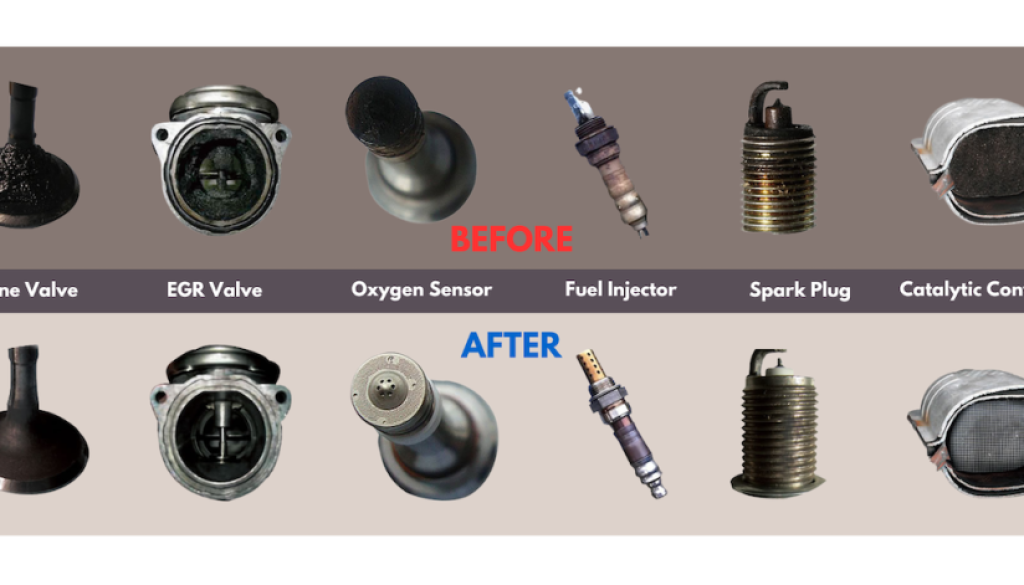
Finally, watch for the warning lights on your dashboard. If your check engine light is lit, it is best not to ignore it. While it could indicate different issues, carbon accumulation can contribute to malfunctioning sensors and other components. Having your engine checked and cleaned can possibly resolve this warning light while improving your vehicle's performance. If your engine exhibits these symptoms, it is time to consider maintenance and the benefits of carbon cleaning.
Advantages and Myths of Engine Carbon Cleaning
Carbon cleaning offers a range of advantages that can significantly enhance vehicle performance. One of the primary advantages is improved fuel efficiency. By eliminating accumulated carbon deposits, engines can breathe better, leading to more effective combustion and optimal fuel usage. This not only helps in lowering fuel costs over time but also aids in decreased emissions, making your vehicle extra environmentally friendly. Additionally, carbon cleaning can restore throttle response, resulting in a more dynamic driving experience.
Despite its advantages, there are several myths surrounding engine carbon cleaning that can create skepticism among car owners. One common misconception is that carbon cleaning is only needed for antiquated vehicles. In reality, modern engines are still prone to carbon buildup due to elements like fuel quality and driving conditions. Another myth suggests that carbon cleaning can resolve all engine problems, which is incorrect. While it can enhance performance and efficiency, it is not a catch-all solution for technical issues.
In addition, the efficacy of carbon cleaning processes, particularly professional services, is often questioned. However, evidence from numerous reports shows that properly performed carbon cleaning can lead to noticeable improvements in performance parameters. It's important for car owners to differentiate between professional methods and DIY attempts, as the latter may be ineffective and risky. Understanding the true benefits and dispelling myths will enable drivers to make informed decisions regarding carbon cleaning for their vehicles.