From Box to Breeze: Your Air Conditioning Setup Experience


When the heat of summer arrives, the necessity of a dependable air conditioning system is abundantly clear. Whether relocating to a new residence or thinking about an improvement, the process of air conditioning installation can seem daunting. With so many options, technologies, and considerations to keep in mind, it's crucial to grasp the steps involved and make informed decisions that best meet your needs.
In this detailed guide, we will lead you through everything you need to know about air conditioning setup. From recognizing the signs that it's time for a new system, to comprehending the distinctions between central air and ductless systems, we'll cover it all. You will discover how to choose the appropriate air conditioner for your space, what to anticipate during installation, and even the frequent pitfalls to avoid. By the end, you will be more prepared to transform your home into a cool oasis and enhance your comfort while also increasing your property value.
Indications You Require a New Air Conditioner
As your air conditioning unit starts to exhibit indications of struggle, it may be time for a replacement. One of the most noticeable indicators is an increase in energy bills. If you observe that your monthly costs are creeping up without any increase in usage, your older AC system may be losing efficiency. This often implies that the unit is working harder to cool your home, leading to higher electricity consumption and costs.
One more sign to watch for is inconsistent cooling throughout your home. If you find some rooms are too hot while others are too cold, it may indicate that your air conditioner is struggling to maintain a uniform temperature. This can happen due to old equipment or an inappropriate unit for your space, indicating that investing in a new energy-efficient model could enhance your comfort and indoor air quality.
Regular breakdowns are yet another clear sign that your air conditioning system may need to be replaced. If you find yourself calling for repairs many times each season, consider the cumulative cost of those repairs compared to the price of a new unit. When systems age, they often develop more issues, and frequent malfunctions indicate that your air conditioner is approaching the end of its lifespan, prompting the need for a new installation for improved reliability.
Choosing the Most Suitable Air Conditioner
Choosing the most suitable air conditioner for your residence involves grasping your individual cooling needs, the layout of your environment, and your budget. First, consider the size of the area that needs to be cooled. An air conditioning unit that is too small won’t effectively cool the space, while one that is too large can lead to excessive energy use and may cause discomfort due to rapid cycling. It's advisable to carry out a load calculation, which takes into account factors such as square footage, insulation quality, and local climate, to determine the suitable capacity for your air conditioner.
Next, investigate the different types of air conditioning systems available. Central air conditioning systems are suitable for larger homes with existing ductwork, offering steady cooling throughout the entire space. https://koinbay-login.es/ -split systems may be more suitable for homes without ductwork or for those looking to cool specific areas. Each option has its benefits and drawbacks; for instance, ductless units are typically more straightforward to install and can provide targeted cooling, while central systems often have better energy efficiency over larger areas. Consider how you plan to use your space and which system aligns with your cooling preferences.
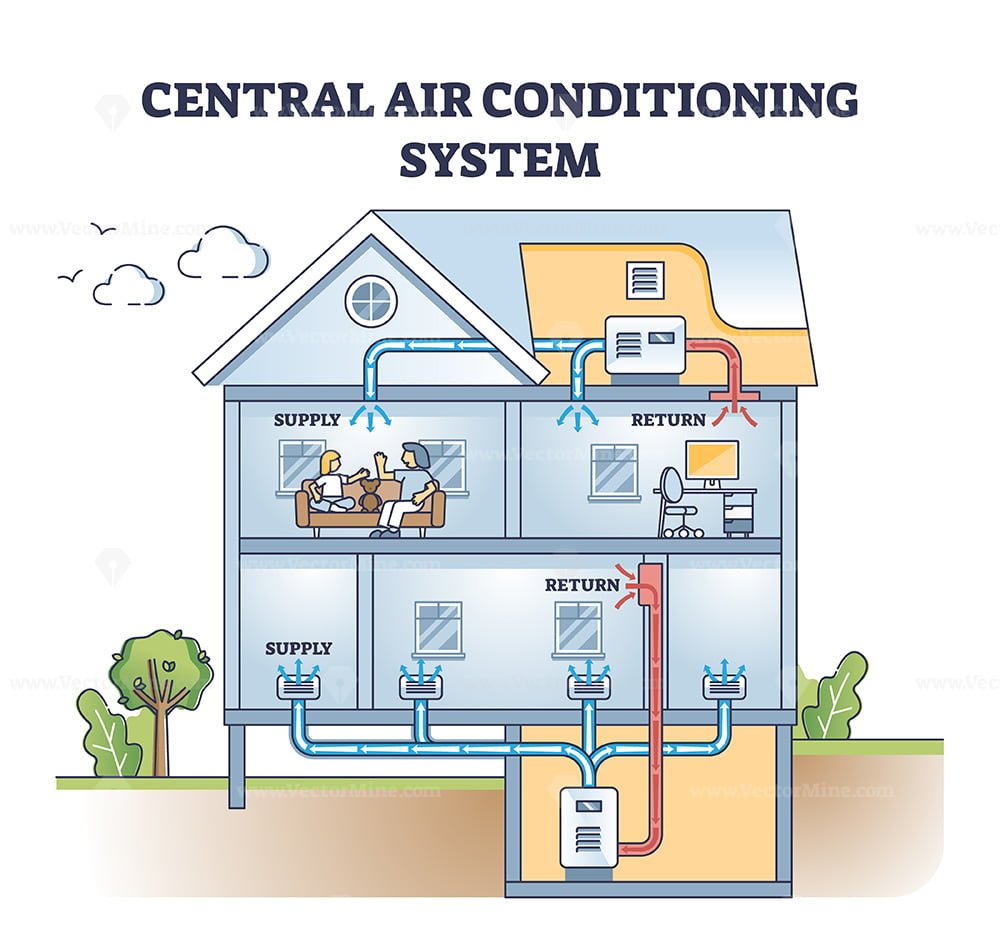
Finally, don’t overlook energy efficiency when choosing an air conditioner. Look for models with better Seasonal Energy Efficiency Ratio (SEER) ratings, as they indicate better efficiency and lower operating costs. Additionally, consider features such as smart thermostats, which offer ease of use and can help improve energy usage. By taking the time to evaluate your home’s requirements and studying the variety of air conditioning options available, you can ensure that you select a system that meets your needs while providing ease and cost-effectiveness for years to come.
Getting Ready for Setup
Before your air conditioning setup date arrives, there are various steps you can take to get ready for your home. Start by clearing the area around your existing unit, if you have one. Remove any decorative pieces, decorative items, or barriers that could block access for the technicians. Ensuring that the area is clean and accessible not only help the technicians work efficiently but also prioritizes safety during the installation process.
Additionally, consider informing your family members about the upcoming setup. It’s crucial that all involved understands that there will be professionals in the area, and that certain areas may be restricted during the work. If you have fur babies, make plans to keep them secured away from the installation area. This will not just keep your pets safe, but it also helps the technicians focus on their task without interference.
Lastly, if you have certain requests regarding the placement of the new unit or any features you want to emphasize, communicate with your installation team ahead of time. Discussing these elements in advance can ensure that the final configuration matches your vision and functional needs. Being prepared and structured will lead to a more streamlined and efficient installation process, ultimately allowing you to enjoy the comfort of your new air conditioning unit more quickly.