From Ashes to Sustainable: The Way Heaters are Transforming into Environmentally Friendly


Lately, the drive for sustainability has transformed many aspects of our daily lives, such as the way we cook and heat our homes. Eco stoves have arisen as one of the most breakthrough solutions in this green revolution. Designed to reduce environmental impact while maximizing efficiency, these stoves are not just about reducing pollution; they offer a spectrum of benefits that can enhance our lifestyles. From boosting indoor air quality to reducing on energy bills, eco stoves symbolize a significant step toward a more sustainable future.
As homeowners and eco-conscious individuals seek to minimize their carbon footprints, the discussion between traditional and eco-friendly cooking methods has become ever more relevant. In this write-up, we will examine what eco stoves are, how they work, and the multiple advantages they offer. We’ll also discuss the contrasts between eco stoves and their traditional counterparts, as well as the prospective savings and benefits that come from making the change. Whether you are interested in embrace sustainable living or simply looking to upgrading your kitchen, eco stoves present an invigorating opportunity to cook green while enjoying modern conveniences.
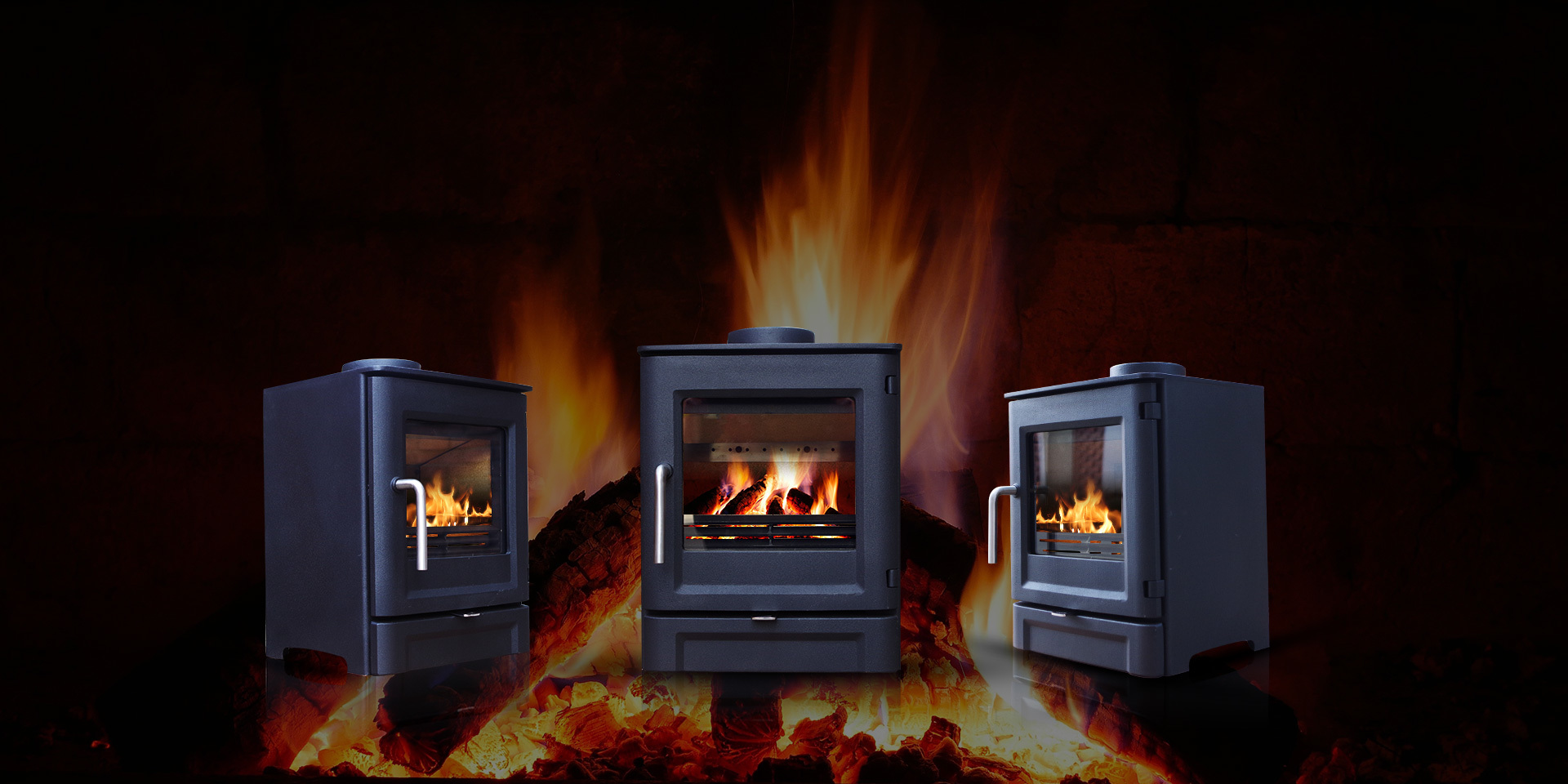
Understanding Eco Stoves
Ecological stoves are specifically designed heating appliances that emphasize environmental sustainability while providing optimal heating and cooking methods. Differing from traditional stoves, which often rely on non-renewable sources or wasting combustion techniques, these appliances make use of modern technology and sustainable materials, such as wood pellets or biomass. This not just reduces need for non-renewable energy but also reduces harmful emissions, making them a cleaner alternative for both interior and outdoor cooking.
The primary purpose of an eco stove lies in its ability to improve fuel efficiency and limit waste. A variety of modern ecological stoves feature advancements like secondary combustion, which facilitates for a better burning of fuel. This process results in less smoke and greater energy output, ensuring that you get the maximum energy from every pellet or chunk. Eco stoves also feature enhanced heat retention and heat retention, which results in a better culinary process and decreased energy use.
Switching to an eco stove can significantly impact utility bills and overall household carbon footprints. By using more efficient combustion methods and eco-friendly fuels, these stoves help residents reduce energy costs over time. Additionally, numerous eco stoves qualify for government incentives or subsidies, further enhancing their appeal as an investment for eco-conscious consumers. As concerns about climate change and power consumption grow, eco stoves represent a progressive option for modern living.
Benefits of Eco Stoves
Eco stoves offer a variety of benefits that extend beyond just aesthetic appeal. One of the major advantages is their enhanced energy efficiency. In contrast to traditional stoves, which often waste energy and fuel, eco stoves are designed to leverage advanced technology that optimizes heat output while reducing fuel consumption. This efficiency not only helps owners of homes save on energy bills, but it also means that fewer fuel is required for cooking, leading to a eco-friendlier lifestyle.
Moreover key benefit of eco stoves is their positive impact on indoor air quality. Many traditional stoves discharge harmful emissions and particulates into the home, which can lead to respiratory issues and other health concerns. Eco stoves are engineered to produce more efficient combustion, resulting in less pollutants released into the home environment. This is particularly crucial for families, as maintaining a healthy living space is vital for overall wellbeing.
Additionally, eco stoves contribute to a decrease in environmental impact, aligning with increasing concerns about climate change. By utilizing renewable energy sources, such as biomass and pellets, these stoves help lower carbon footprints and decrease dependence on fossil fuels. This transition not only benefits the environment but also supports sustainable living initiatives, making eco stoves an vital choice for the eco-conscious consumer.
Environmentally Friendly Stoves vs. Traditional Stoves
The differences between environmentally friendly stoves and conventional stoves go beyond mere aesthetics. https://townandcountryfiresyorkshire.co.uk/best-eco-wood-burning-stoves-yorkshire/ , often fueled by non-renewable energy sources or inferior burning processes, tend to emit higher levels of carbon monoxide and other pollutants. In contrast, eco stoves are designed with superior burning technology, allowing them to burn fuel more efficiently and with reduced emissions. This not only reduces harmful emissions but also enhances better air quality in and around homes.
Another key difference lies in energy efficiency. Standard stoves can consume a considerable amount of fuel for minimal heat output, resulting in elevated energy bills. Green stoves, on the other hand, utilize modern materials and designs that maximize heat retention and distribution, ensuring that homeowners get the best out of every unit of energy burned. Consequently, many users find that the first investment in an green stove provides savings over time through decreased energy costs.
Finally, the environmental consequences of these stoves is a crucial factor to take into account. While conventional stoves contribute to deforestation and increased greenhouse gas emissions, eco stoves often use eco-friendly fuels like pellets, which can be renewable. This congruence with environmentally friendly practices makes environmentally friendly stoves a more attractive choice for those devoted to lowering their carbon footprint and supporting environmentally friendly initiatives in their communities.