Exploring the Refuse Handling Maze: Suggestions for Homeowners


Waste management is a critical aspect of contemporary life that often goes unnoticed until it becomes a serious problem. As residents, comprehending the intricacies of waste management can significantly affect our ecosystem, physical health, and financial situation. With the ever-increasing amount of waste generated in our homes, managing this complexity can seem intimidating. However, by implementing efficient waste management practices, we can aid in a healthier planet while also saving money in the long run.
In this resource, we will examine key tips to help property owners refine their waste management habits. From understanding the importance of waste separation to learning how biodegradable waste processing can significantly reduce household waste, every action we pursue brings us closer to a more environmentally sound future. We will delve into the consequences of poor waste management and highlight the positive aspects of professional services designed to optimize these procedures. Come along as we uncover the comprehensive guide to overseeing your waste management, making a meaningful difference for your home and the environment.
Efficient Refuse Management Methods
Practical waste disposal practices are crucial for property owners seeking to reduce their environmental impact and reduce costs. Initially, garbage separation is a key practice that permits you to separate recyclables items from non-recyclable items. This action is essential because it ensures that recyclables are processed properly, lowering the quantity of waste disposed to dump sites. By storing objects like cardboard, containers, and metal distinct, you can facilitate recyclage efforts and contribute to a more sustainable waste cycle.
Another notable aspect of practical waste disposal is composting. This practice allows residents to transform organic waste, such as kitchen waste and green waste, into rich in nutrients compost for plants. Not only does composting shift waste from landfills, but it also improves the earth, encourages stronger plant cultivation, and lowers the requirement for artificial nutrients. Establishing a compost system at your residence can significantly reduce the volume of waste you produce while enhancing your garden and the natural world.
Furthermore, being conscious of purchasing behaviors can enhance waste disposal practices. Choosing products with reduced packaging, opting for renewable items, and embracing repeatable items are good methods to reduce overall refuse. This intentional strategy not only decreases what you throw away but also motivates businesses to adopt more eco-friendly methods. By emphasizing sustainable options, homeowners can play a pivotal function in promoting a environment of garbage reduction in their communities.
Eco-friendly Solutions for Homeowners
Property owners have a unique opportunity to contribute in eco-friendly waste management methods, which not only help the environment but can also result in cost savings. One proven method is creating compost, which can significantly diminish household waste. By composting kitchen scraps and yard waste, homeowners can create nutrient-rich soil for gardening, lowering the need for store-bought fertilizers while minimizing landfill contributions. This simple practice illustrates how reducing waste at home can lead to a more sustainable lifestyle.
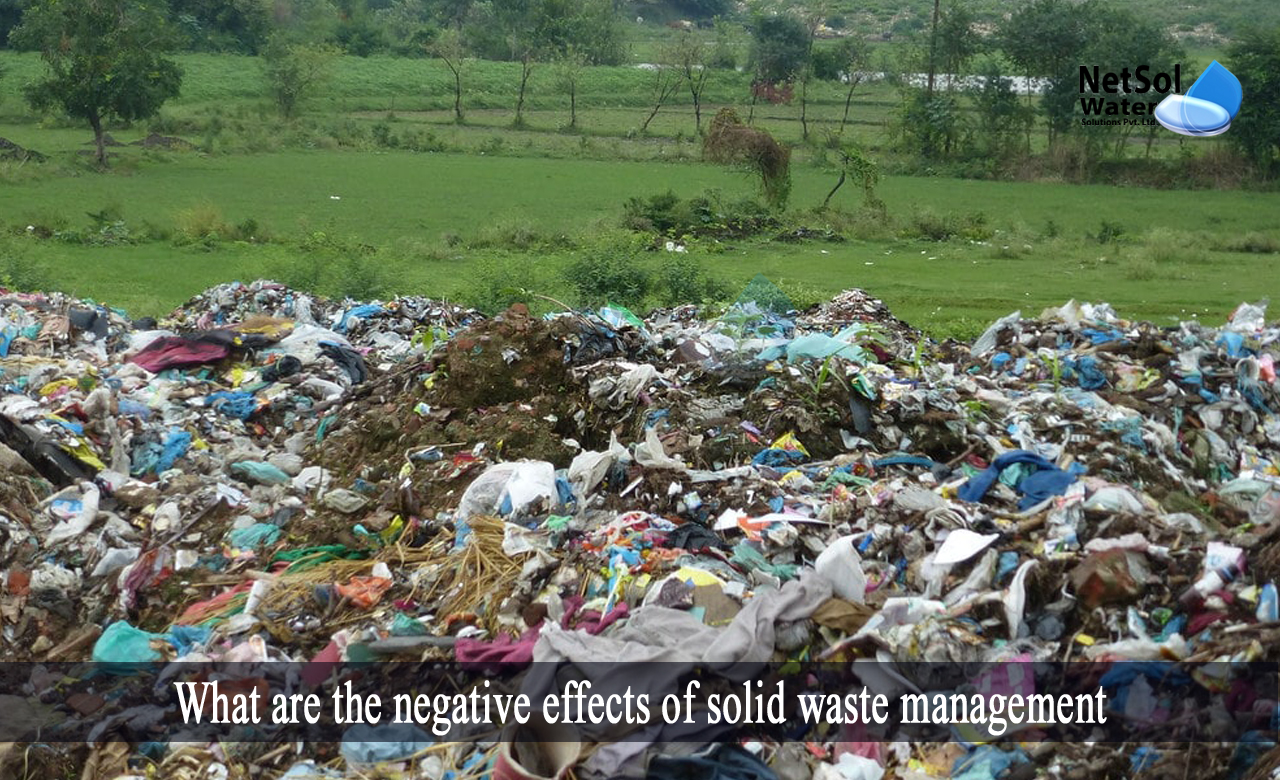
Another important aspect of green waste management is waste separation. By properly sorting waste into recyclables, compostables, and landfill items, homeowners can boost recycling rates and ensure that materials are processed correctly. Understanding what can and cannot be recycled is crucial, as contamination can make recyclable materials unusable. Resources like recycling resources can help homeowners learn the intricacies of local recycling guidelines and enable them to make smart decisions about their waste.
Finally, investing in sustainable packaging solutions when shopping can make a significant difference. Selecting for products with low or biodegradable packaging helps reduce the amount of waste generated at home. Property owners can also back businesses that emphasize sustainable practices, further promoting a shift towards responsible waste management in their communities. By making Wealth Management Bodmin Cornwall , property owners can play an engaged role in building a circular economy and reducing their environmental impact.
The Impact of Technology in Waste Management
Innovations is changing waste management in various manners, improving productivity and effectiveness. Automated bins fitted with sensors can observe waste levels in real-time, informing collection services when they are full. This optimization cuts down on unnecessary trips and fuel consumption, ultimately reducing operational costs. Moreover, mobile applications let users to monitor their waste, providing personalized tips on how to recycle and cut down on waste at home. By utilizing these innovative tools, homeowners and businesses alike can streamline their waste disposal processes.
An additional significant technological advancement is the use of data analytics. By studying waste generation patterns, organizations can better grasp their waste streams and identify areas for improvement. Data visual analytics can display this information clearly, helping stakeholders identify trends and make informed decisions. For cities, this means creating more effective waste management strategies that serve the specific needs of their communities and reduce landfill waste. The ability to utilize data is revolutionizing how waste is managed.
Additionally, the use of automated sorting systems in recycling facilities has greatly increased processing productivity. These systems employ artificial intelligence and machine learning to quickly and accurately sort materials, substantially reducing contamination rates in recycling. As a result, a greater number of materials can be diverted from landfills and utilized, contributing to a circular economy. Investment in these technologies not only improves recycling rates but also encourages sustainable practices among consumers by illustrating the real benefits of proper waste management.