Exploiting Leverage: Ways to Amplify Your Foreign Exchange Potential


The world of forex trading has enthralled investors and traders alike with its promise of potential returns and excitement. Whether you are a complete beginner or someone looking to refine your skills, understanding the nuances of the forex market is crucial for success. With the right information and strategies in place, you can tap into the capabilities of margin trading to amplify your trading potential, creating pathways to greater opportunities.
This article serves as a comprehensive manual that will take you through the basics of forex trading, clarify how the market works, and highlight key approaches that can enhance your trading performance. By exploring various elements such as the role of leverage, risk management techniques, and the mental factors that influence trading choices, you will gain important insights that can transform your approach to the forex market. Regardless of whether you plan to day trade, swing trade, or implement a more mechanized method, the information shared here will provide you with the resources needed to move through this dynamic environment confidently.
Comprehending Currency Trading Fundamentals
Forex, or foreign exchange, is the global platform for trading national monies against one another. It functions as a decentralized market, meaning that transactions occur straight between participants, usually through digital networks. The forex market is the largest monetary market in the world, with a 24-hour trading volume exceeding six trillion USD. This setting provides avenues for investors to gain from changes in currency values due to various economic influences.
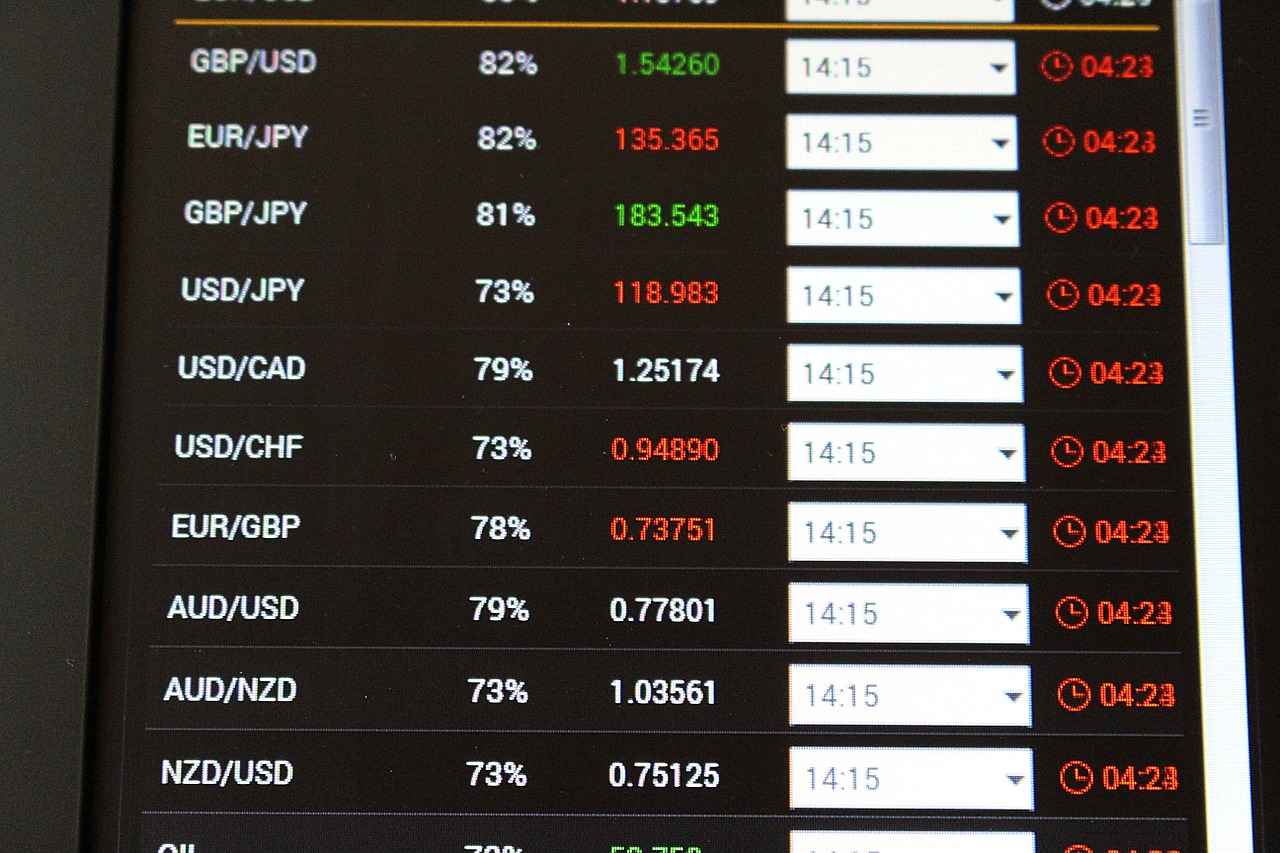
To engage in forex trading, one must understand the basic concepts of pair trading. Currencies are listed in pairs, such as EUR/USD, which demonstrates how much of the quote currency (USD) is needed to purchase one unit of the first currency (EUR). These pairs are classified into major, minor, and specialty monies, each with diverse levels of volatility and trading volume. Understanding with these classifications can help investors make wise decisions based on economic trends.
Additionally, margin trading plays a crucial role in forex trading, enabling traders to control larger trades with a smaller amount of capital. While using margin can amplify potential gains, it also comes with increased risk. Knowing the equilibrium between danger and gain is necessary for triumph in this fast-paced market. As you explore forex, gaining a solid base in these basics will pave the way for more advanced trading approaches and methods.
Approaches for Effective Forex Trading
A strong trading strategy is vital for profitability in the forex market. One effective approach is to discover a trading style that matches your personality, whether it be day trading, swing trading, or even high-frequency trading. Each style has its own set of benefits and cons, and understanding these can help you determine which method aligns with your objectives and risk tolerance. Day trading requires rapid choices and the ability to react promptly to market changes, while swing trading enables more analysis and planning over several sessions.
Chart analysis plays a critical role in creating a successful trading plan. Utilizing metrics and pattern analysis can provide key insights into market movements and possible price movements. By learning how to interpret forex charts and patterns, traders can predict shifts in the market, helping them to make educated decisions. Additionally, using https://www.forexcracked.com/forex-ea/ can improve your understanding of market dynamics and guide your trading actions.
Risk management is a non-negotiable aspect of any winning trading plan. Implementing measures like stop-loss and take profit orders can help safeguard your capital and maintain your gains. Moreover, understanding the risk-to-reward ratio for each transaction can guide you in selecting trades that offer advantageous outcomes. Fostering patience and self-discipline in implementing your strategy is essential to long-term success in forex trading, guaranteeing that emotions do not interfere with your judgment when executing high-stakes choices.
Risk Management and Psychology
Robust risk management is vital for success in forex trading. One of the first steps in risk management is deciding how much of your total capital you are prepared to risk on a single trade. A standard guideline is to risk up to one to two percent of your trading capital on every trade. This approach helps to safeguard your account from substantial losses that could lead to a complete loss of capital, allowing you to stay in the game even after a string of losing trades. Additionally, establishing clear stop loss and take profit levels can help you manage risk successfully while maintaining discipline in your trading strategy.
The psychology of trading plays a crucial role in a trader's performance. Emotional decision-making can lead to impulsive trades, increasing the chance of substantial losses. Many traders battle with anxiety and greed, which can obscure judgment and lead to overtrading or avoiding essential trades. Developing cognitive discipline is important, and techniques such as awareness and maintaining a trading journal can help traders keep focused and rational. Understanding your psychological triggers and developing strategies to control your mood is vital to achieving long-term success.
Combining robust risk management strategies with a solid understanding of trading psychology creates a strong foundation for forex trading success. It enables traders to navigate the market's ups and downs with a equilibrated mindset, reducing emotional reactions and maintaining a strategy-driven approach. By emphasizing both risk management and psychological resilience, traders can enhance their potential and gain an edge in the ever-changing world of forex trading.