Beginning with your Listing until Selling: Ways to Manage the Vehicle Sale Maze


Selling your vehicle can feel like traversing a challenging maze, full of choices, hurdles, and potential pitfalls. Whether you're in the market to upgrade to a newer model, reduce your vehicle, or merely earn some money, understanding the details of the car selling process is essential. With the appropriate information and strategies, you can streamline your experience and maximize your profits, all while lessening stress.
In this guide, we will walk you through key tips and insights to help you move your car swiftly and smoothly. From determining the value of your vehicle to being aware of the required documents and avoiding common blunders, we will cover all the aspects you need to make informed decisions. With practical advice on whether to market your car over the internet or barter, to the best way to get ready for viewings and discuss terms effectively, we seek to provide you with the means you need to turn your listing into a successful sale. Let's jump in and make your car selling experience a pleasant and beneficial one.
Crucial Advice for a Quick Car Sale
Getting rid of your car swiftly needs preparation and a strategic approach. Initially, take the opportunity to scrub and detail your vehicle internally and externally. A neat car not only looks more appealing but can also get a better amount. Ensure that all personal items are cleared and consider getting a professional cleaning if required. A well-kept appearance leaves a favorable first impression for prospective customers.
Then, set the fair price by conducting comprehensive research on your car's manufacture, variant, age, and existing market trends. Make use of online evaluation tools and check similar listings to assess the going rates in your area. Pricing your car attractive will draw greater interest and can lead to a faster sale. Remember that seasonal trends can affect demand, so timing your sale can also be beneficial.
Finally, create a captivating listing when promoting your car for sale. Write an appealing description that highlights the car’s key features and any recent repairs or upgrades. High-quality pictures can make a dramatic difference in capturing buyer interest. Make sure to provide all necessary information and documents to build credibility, as this clarity can additionally expedite the transaction process.
Grasping Selling Options: Trade-Ins vs. Selling Privately
As you think about how to sell your vehicle, one of the biggest decisions is whether to go with a trade-in or a private sale option. A trade-in generally entails selling your vehicle to a dealership while purchasing a new one. This option is quick and convenient, allowing you to put the trade-in value toward your new car, which simplifies the process. Nonetheless, dealerships often provide less money than what you might earn through a private sale due to their need to resell the vehicle at a profit.
Conversely, selling your car privately can yield a better price as you determine your own price. This takes additional effort, as it necessitates marketing the car, interacting with potential buyers, and organizing the paperwork. Effective communication and bargaining abilities are crucial in this approach. Moreover, selling privately allows Sell My Car Newbigging Angus to reach a broader audience that may be more willing to give a fair price for the vehicle, especially if it is good condition.
In the end, the choice between trade-in and private sale depends on your personal priorities. If you prioritize a fast and easy deal, a trade-in might be the right fit. On the flip side, if you are willing to invest time and effort for potentially greater financial return, a private sale may prove to be the better option. Gaining knowledge of these selling methods can help you decide wisely that fits your needs.
Steering Through Records and Law Requirements
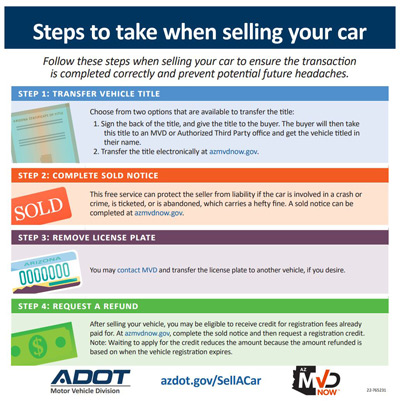
Selling a car involves a number of essential papers that ensure a hassle-free transfer. Ahead of you begin the process, ensure you have the title of the car in hand, which demonstrates your entitlement. If you are still paying off on the car, get in touch with your financier to clarify how to handle the title transfer. Furthermore, gather any maintenance logs, guarantees, and inspection reports, as these can offer potential buyers confidence in their buy.
Grasping the rules for disposing of a car is also important. All state has varied regulations regarding registration and title transfers. It is necessary to familiarize yourself with these details to avoid any problems after the transaction. You may also need to complete a bill of sale that details the transaction details, which include the purchase price and the details of both individuals' representations. This paper can function as a record for you and the purchaser, safeguarding against any arguments.
In conclusion, always prioritize safety and legality during your transaction. To keep yourself safe from deception, never accept personal checks and opt for other reliable forms of payment. Make sure that the purchaser has appropriate ID and verify the vehicle identification number (VIN) during the process. By implementing these steps and making certain all documentation is in order, you can handle the deal with assurance.