Basement Seepage Prevention Misconceptions Debunked: What Truly Works?


Basement sealing is a critical aspect of home maintenance that often gets surrounded by a cloud of myths and fallacies. Whether you are a first-time homeowner or someone looking to refresh your knowledge, knowing the facts about basement waterproofing can protect your property and enhance your living environment. Many homeowners may fear the expenses, the complexity, or the need for professional help, but it's important to distinguish between fact and myth to make educated decisions.
In this article, we will debunk frequent myths related to basement sealing and investigate what actually works in safeguarding your home against water damage. From comprehending the different methods available to recognizing the signs that your basement needs immediate attention, we will provide you with a comprehensive guide to ensure your space stays dry and protected. Join us as we untangle the truths of basement sealing and learn why it is a crucial investment for all homeowner. # The Importance of Basement Waterproofing
Basement waterproofing is a crucial factor of residential upkeep that shields your property from water leakage and structural harm. It involves a selection of methods used to prevent water from seeping into the basement and damaging the structure of the home. Many times, homeowners overlook this essential task until they encounter major water-related complications. By learning about the strategies and necessity of waterproofing, you can choose wisely that protect your investment .
There are two primary types of basement waterproofing: interior waterproofing and exterior waterproofing . Interior waterproofing concentrates on handling moisture once it has infiltrated the space, often involving waterproof coatings, drainage systems , and sump systems. On the other hand , exterior methods seeks to prevent water from getting to the basement in the beginning, using techniques such as earth removal and the installation of drainage solutions around the foundation . Evaluating your unique situation will help you figure out which method is most effective for your home .
Effective basement waterproofing not only protects against water damage but also enhances the total worth of your property. A well-maintained basement can be an attractive selling point for home seekers, while a damp or moisture-ridden space can repel interest and lower worth. Putting money into effective waterproofing solutions is not just about preventing damages ; it’s a smart move to boost the durability and comfort of your residence.
Selecting the Appropriate Waterproofing Method
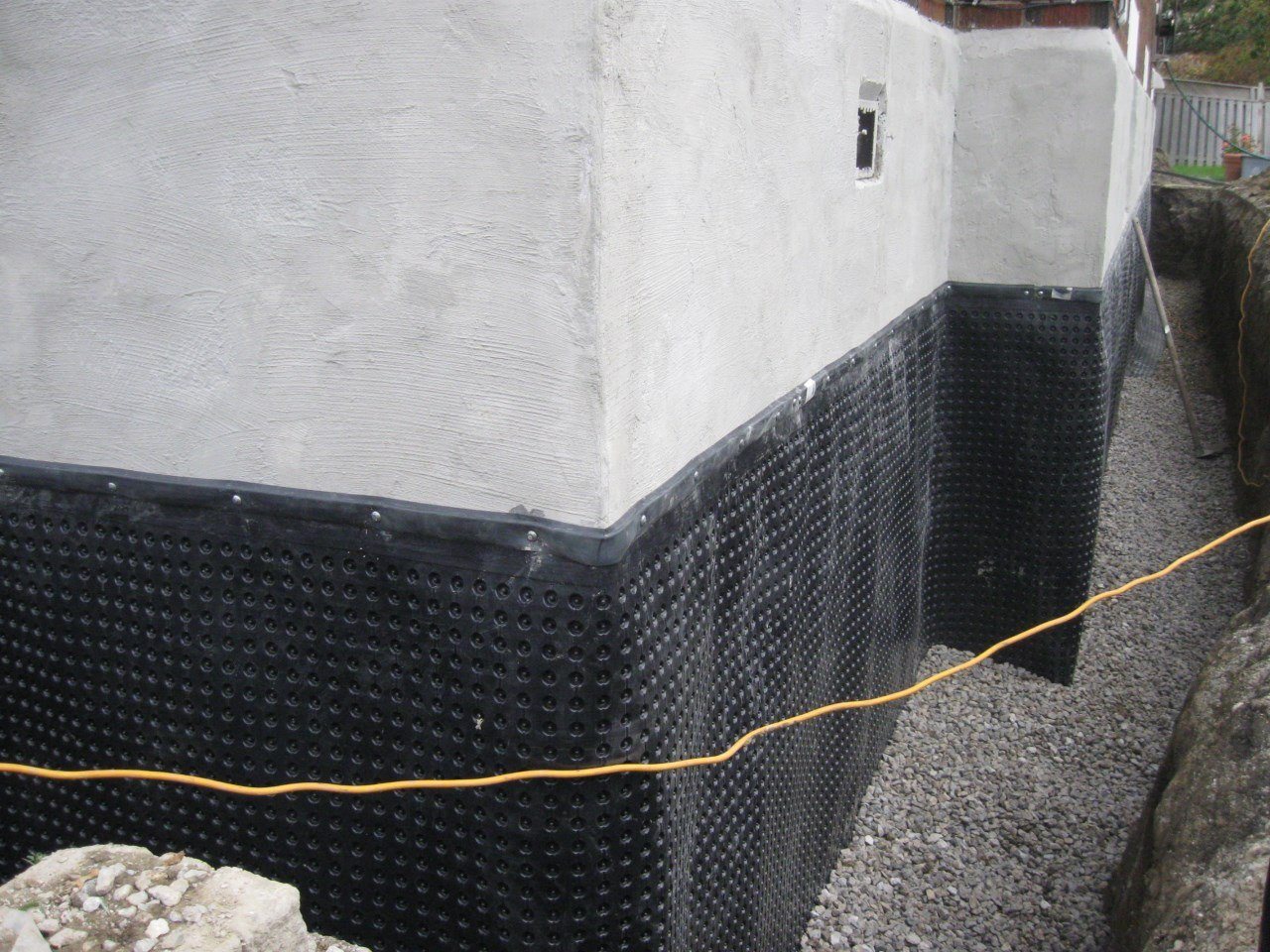
Determining the correct waterproofing method is crucial for successfully tackling moisture issues in your basement. Different methods cater to various problems and types of homes, so it is crucial to assess your specific situation before making a decision. Typical approaches include internal sealants, exterior waterproofing membranes, and drainage systems. Each method has its advantages, and grasping these can help you make an informed choice.
For homeowners looking to address existing water issues, internal waterproofing methods may look attractive due to their reduced upfront costs. Nevertheless, these solutions often only manage symptoms rather than eliminate the root cause of water intrusion. On the other hand, exterior waterproofing provides a long-term solution by hindering water from reaching your basement in the first place. For homes with major groundwater problems, adding a drainage system in conjunction with waterproofing barriers can further enhance effectiveness.
In more to evaluating the type of waterproofing method, think about factors such as the severity of water intrusion, the age of your home, and your budget. Consulting with a licensed waterproofing contractor can provide insights tailored to your unique needs. They can help you weigh the benefits and potential drawbacks of every method, ensuring you select an appropriate solution that will safeguard your home for years to come. spintax
Maintaining a Moisture-Free Basement
To ensure your basement dry, consistent inspections and maintenance are crucial. Start by inspecting for The original source in the wall surfaces or flooring. Tiny cracks can lead to significant water infiltration over time. Seal these cracks with proper waterproofing products to avoid moisture from getting in. It's also important to check for any indications of water damage, such as fungus or peeling paint, which can indicate underlying problems that need to be addressed without delay.
Additionally, securing adequate drainage around your home is critical for ensuring a dry basement. This includes cleaning gutters and downspouts to confirm they are not blocked and directing water away from the foundation. Consider setting up or caring for a drainage system, such as a subsurface drain, to effectively redirect water away from your basement. Having a water pump in place is also an outstanding way to manage any possible water accumulation during heavy rains.
Finally, keep track of the humidity levels in your basement. Using a dehumidifier can help control moisture levels in check, preventing mold growth and enhancing indoor air quality. Ensuring ventilation in your basement is crucial too; consider putting in vents or windows to facilitate air circulation. Regular maintenance and awareness can help you ensure a dry and healthy basement environment, protecting both your home and your investment.