A Psychological Aspects of Hue: Effect Through Spray Painting


Spray painting is an art form that combines creativity with functionality, changing mediums with vibrant colors and smooth finishes. It provides a distinctive approach to home improvement and DIY projects, allowing individuals to express their style while refreshing their environment. As we delve into the psychology of color in spray painting, we uncover not only how colors influence our emotions but also how the technique itself can elevate projects from mundane to magnificent.
Whether you are a seasoned professional or a curious beginner, grasping the basics of spray painting can significantly enhance your results. From selecting appropriate paint to mastering the tools of the trade, there is much to learn. This article will explore key strategies to achieve perfect spray painting outcomes, steer clear of frequent errors, and maintain safety during the painting process. Join us as we journey through the colorful world of spray painting, where artistry and color collide and imagination has no limits.
Methods for Successful Spray Painting
Obtaining a smooth spray paint finish requires focus on method and detail. Begin by gripping the spray can or gun at the appropriate distance from the surface, usually spanning six to twelve inches. This helps in applying the paint consistently, preventing drips and runs. Using a uniform motion, such as overlapping passes, will ensure each area get the identical amount of paint. Try out this motion on a sample piece to gain a feel for the spray pattern prior to starting on the final project.
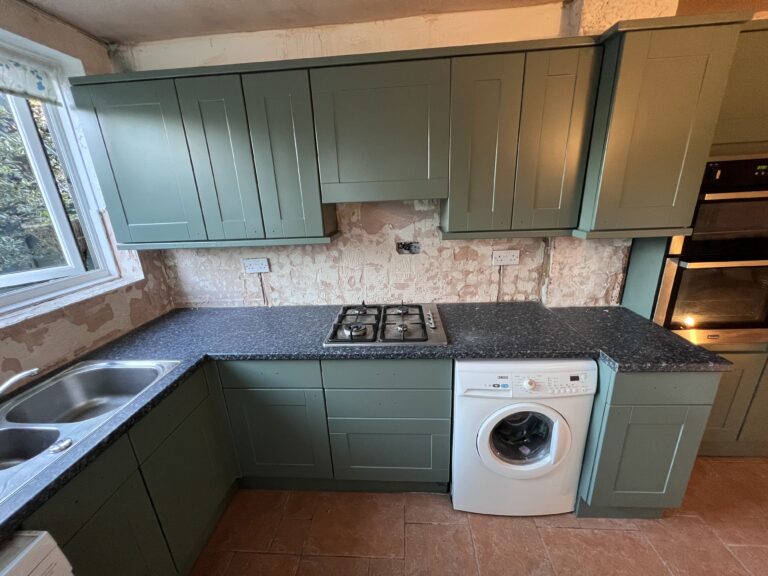
Substrate preparation carries a critical role in the success of spray painting. Prepare the surface completely to get rid of dirt, grease, or old paint. Finishing can assist create a more suitable bonding surface, particularly for wood or metal. Additionally, using Best Kitchen Respraying and Spraying West Yorkshire tailored to the surface material can improve adhesion and improve the final appearance. This step is critical for realizing a professional look and longevity in your work.
Environmental factors can also influence your spray painting results. Temperature and humidity determine the drying time and finish quality. It is ideal to spray paint in settings ranging from 50 to 90 degrees Fahrenheit with low humidity. Take into account the airflow; working in a well-ventilated area is crucial for both safety and get an even application. Monitoring these conditions will help you get optimal results and minimize common spray painting mistakes.
Selecting the Best Elements and Equipment
Selecting your best elements and equipment is crucial for obtaining the outcomes in your spray painting projects. Begin with your spray paint itself. Consider the surface you will be painting, as distinct types of spray paint are created for specific materials such as wood, metal, or plastic. Look for paint that matches the desired finish, whether whether it is flat, semi-gloss, or shiny, and verify it's appropriate with indoor or outdoor use based on the project requirements.
Along with spray paint, having appropriate right tools can make a significant difference. Spend in high-quality spray painting equipment, such as a reliable spray gun and different nozzle sizes. Such equipment enables you to regulate the paint flow and atomization, resulting in a more refined finish. For setup, stock up on essential items like painter's tape, drop cloths, and sanding blocks to make sure surfaces are clear and ready for use, which helps messes and results in even coverage.
At last, do not underestimate the significance of protective gear. Having a well-ventilated workspace is necessary when spray painting, so think about wearing masks or respirators to guard against dangerous fumes. Safety goggles will protect prevent paint particles out of the eyes, and gloves will shield your hands from paint splatters. By choosing https://crews-stafford-2.blogbright.net/eco-friendly-spray-paint-eco-conscious-choices-for-colorful-projects and tools and ensuring you possess proper safety equipment, you can boost your spray painting experience and obtain superior finishes.
Safety and Maintenance in Spraying Paint
When engaging in spray painting, safety should always be a primary concern. Wear appropriate safety equipment, such as a mask, safety glasses, and gloves, to protect yourself from harmful vapors and particles. It is important to operate in a well-ventilated area or utilize a paint booth to minimize inhalation risks. Additionally, be mindful of your environment and ensure that there are no flammable materials nearby, as spray paint is usually highly flammable. Following these safety measures will help create a safer setting for your painting projects.
Maintaining your spray painting tools is crucial for achieving the best results. Regularly clean your spray gun and nozzles to prevent clogs and ensure smooth operation. After https://cerise-swift-pk2pjk.mystrikingly.com/blog/10-imaginative-aerosol-painting-concepts-for-the-house , follow the guidelines for taking apart and cleaning your equipment, and keep them in a cool, dry area to avoid rust and deterioration. Adequate maintenance not only prolongs the life of your equipment but also enhances the standard of your work, making your projects look more refined.
Being aware of the correct ways to dispose for excess paint and cleaning solvents is crucial for eco-friendly protection. Many communities have specific rules for disposing of hazardous waste, including spray paint cans. Getting to know yourself with local guidelines and utilizing recycling programs when available can significantly minimize your ecological impact. By prioritizing both protection and responsible maintenance, you can enjoy the complete advantages of spray painting while safeguarding yourself and the environment.